
 Facebook
 X
 Pinterest
 Copy Link
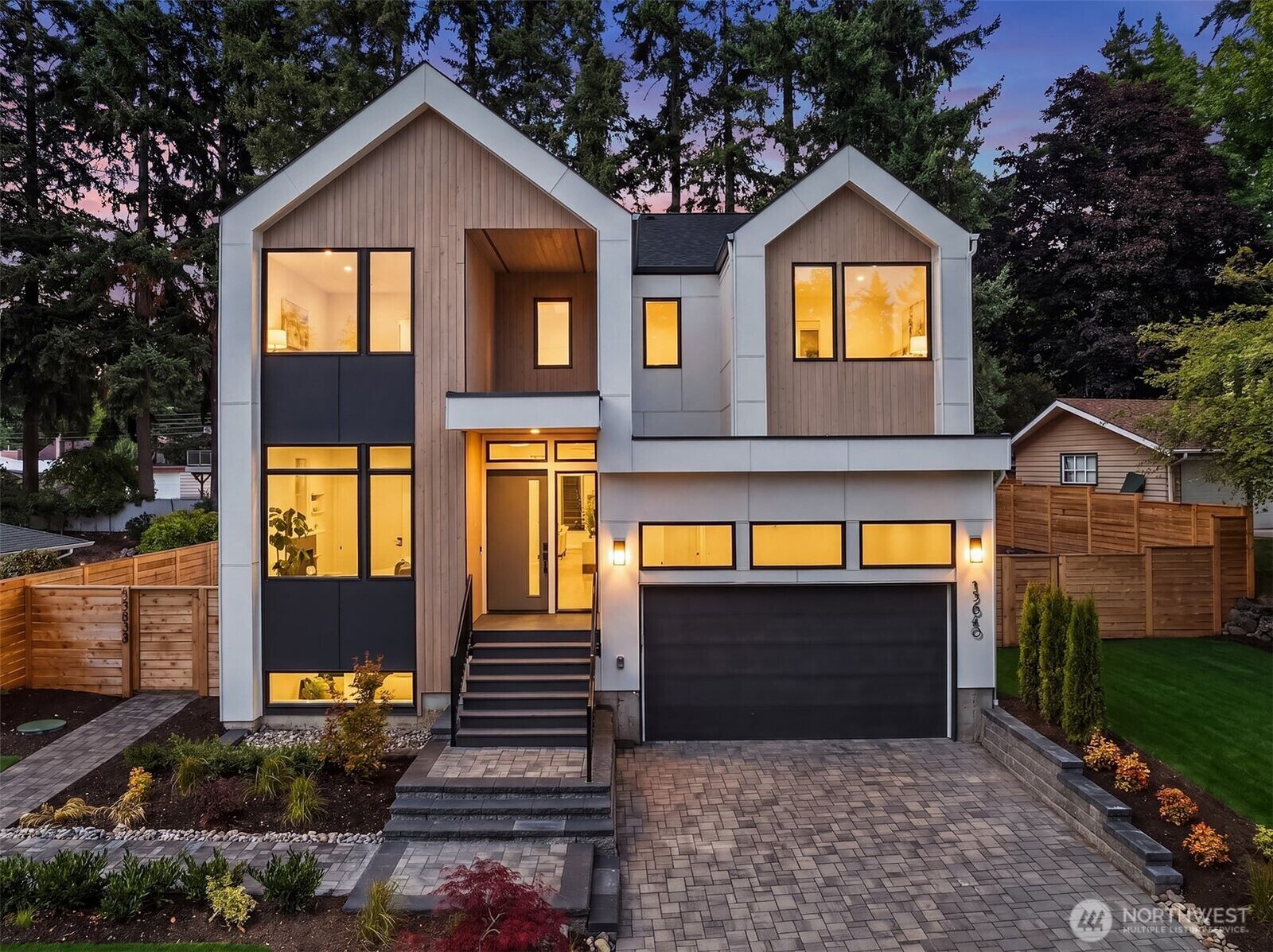
Think the price of a brand-new home is set in stone? Think again. One of the biggest misconceptions about buying new construction is that builders don’t negotiate. The reality is that there can be significant opportunities for buyers to negotiate, but the process often looks different from purchasing an existing home.
After working on more than 450 new-construction home sales throughout the Seattle area, I’ve learned that understanding a builder’s motivations can be just as important as understanding the local real estate market.
I recently had the opportunity to contribute my insights to Redfin’s guide to negotiating on a new-construction home. One of the key points I emphasized is that buyers shouldn’t focus exclusively on the purchase price. Sometimes, the most valuable concessions come in other forms.
Whether you’re considering a new home in Seattle, Bellevue, Kirkland, or elsewhere on the Eastside, here’s what you should know before negotiating with a builder.
1. Yes, You Can Negotiate With a Homebuilder
Builders are businesses, and like any business, they have financial goals, timelines, and inventory to manage.
While traditional home sellers may be motivated by a job relocation, a growing family, or a desire to move, builders are often focused on inventory turnover, financing costs, sales velocity, and protecting property values within their communities.
That means two nearly identical homes from the same builder may have very different negotiating opportunities.
For example, a builder with several completed homes sitting on the market may be more motivated to negotiate than one selling homes that won’t be completed for another six months.
The key is understanding where the builder has flexibility and how to structure an offer that works for both parties.
2. Builder Incentives Can Be More Valuable Than Price Reductions
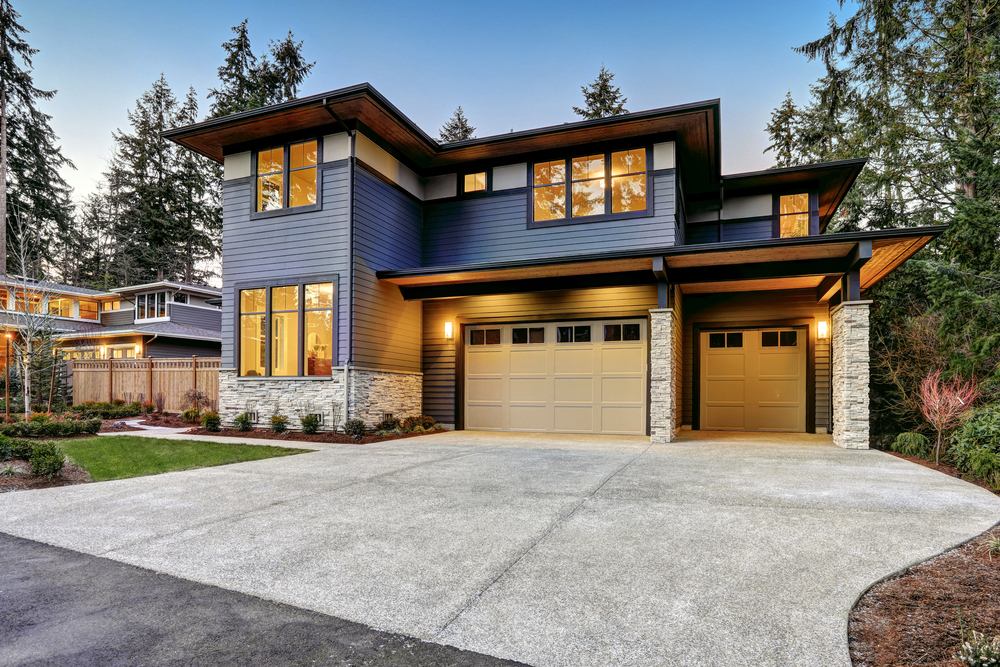
One of the biggest mistakes buyers make is assuming that getting a lower purchase price automatically means getting the best deal.
In reality, builders may be more willing to offer financial incentives than reduce their advertised prices.
Why? Because reducing the price of one home can affect comparable sales and potentially influence the perceived value of other homes the builder is trying to sell.
Instead, builders may offer incentives that deliver meaningful financial benefits without changing the recorded sales price.
Common new-construction incentives include:
- Mortgage rate buydowns: Builder contributions that help reduce your mortgage interest rate, either temporarily or permanently.
- Closing cost assistance: Credits toward eligible closing costs and prepaid expenses, reducing the amount of cash needed at closing.
- Design upgrades: Opportunities to negotiate upgraded finishes, fixtures, or other selections when the construction timeline allows.
- Appliances and window coverings: Items that may not be included in the base purchase price but can represent significant out-of-pocket expenses.
- Other approved concessions: Depending on the builder, financing arrangement, and stage of construction, additional concessions may be available.
A Lower Interest Rate vs. a Lower Purchase Price
Let’s say you’re purchasing a $1.5 million new-construction home with 20% down.
You may be able to negotiate a $50,000 reduction in the purchase price, or the builder might offer a $50,000 incentive toward financing costs.
Which is better?
The answer depends on your mortgage terms, how long you expect to own the home, your available cash, and your long-term financial goals.
A permanent mortgage rate buydown could potentially generate significant savings over time, while a temporary buydown might make your monthly payments more manageable during the first few years of ownership.
On the other hand, a price reduction lowers your purchase price and loan amount, which can also provide long-term benefits.
There’s no universally correct answer. The best strategy is to compare actual financing scenarios, including your cash needed at closing, monthly payments, and total borrowing costs.
It’s also important to understand that builder incentives are subject to lender requirements, loan program limits, and the terms of the purchase agreement.
3. Timing Matters More Than You Might Think
Not all new-construction homes have the same negotiating potential.
In my experience, one of the most important factors is where a home sits in the builder’s inventory and construction timeline.
Completed Inventory Homes
When a home is finished but hasn’t sold, the builder may be paying ongoing expenses such as financing interest, property taxes, insurance, utilities, and maintenance.
Those carrying costs can add up, creating motivation to sell.
A builder with multiple completed homes may be especially interested in negotiating terms that help move inventory.
Homes Still Under Construction
A home that’s several months away from completion may offer different opportunities.
Depending on the builder and stage of construction, there could be flexibility around finish selections, upgrades, or personalization.
However, a builder may be less motivated to offer substantial financial incentives when the home is still early in its sales cycle.
End-of-Project and Sales Milestones
Builders may also have internal sales goals tied to monthly, quarterly, or annual reporting periods.
Similarly, when a builder is nearing the end of a development and has only a few homes remaining, there may be additional motivation to complete sales and move on to the next project.
These situations don’t guarantee a better deal, but they are worth understanding when developing a negotiation strategy.
4. The Seattle and Bellevue New Construction Markets Are Not All the Same
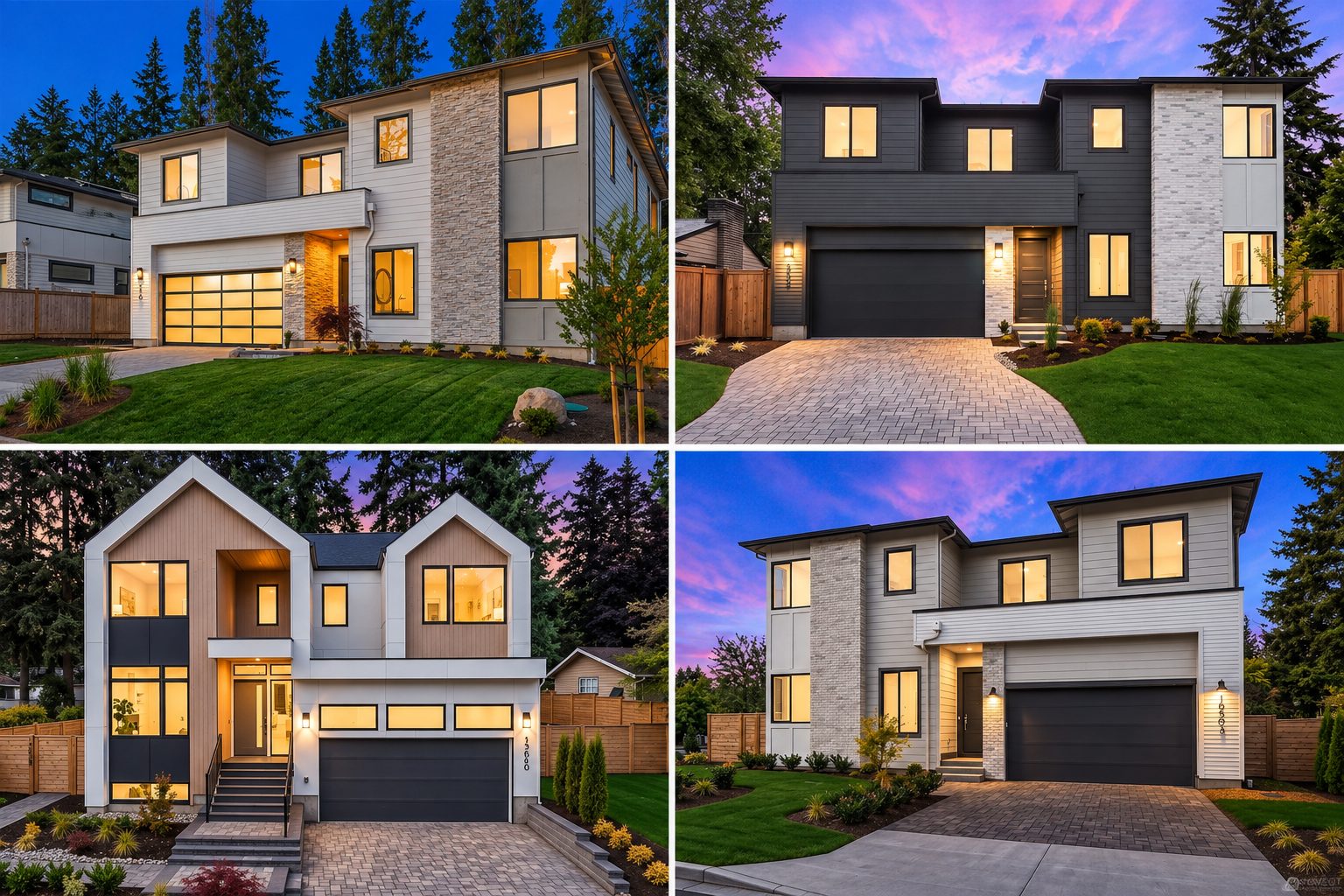
One thing I always emphasize to buyers is that real estate is incredibly local.
Even within the Seattle metro area, new-construction opportunities can vary significantly.
In neighborhoods like Ballard, Greenwood, Wedgwood, and Loyal Heights, buyers may encounter smaller infill developments with only a handful of homes.
Meanwhile, parts of Bellevue and Kirkland may have larger developments, luxury single-family homes, or multiple new-construction properties competing for similar buyers.
These differences matter.
A builder selling the last home in a four-home Seattle development may approach negotiations very differently from a national builder selling homes in a larger Eastside community.
And even within the same neighborhood, differences in lot size, floor plan, natural light, privacy, finishes, and location can affect a home’s value and negotiating potential.
The goal isn’t simply to find a builder willing to offer the largest incentive. It’s to understand whether you’re getting the best overall value for the home you’re purchasing.
That’s why I encourage buyers to evaluate both the financial terms and the underlying real estate.
5. Don’t Forget About the Things That Aren’t on the Price Tag
Some of the most valuable negotiations involve items buyers might not initially consider.
For example, depending on the builder and property, it may be worth discussing:
- Landscaping or fencing improvements
- Window coverings
- Appliance packages
- Additional storage or garage improvements
- Minor finish modifications
- Closing timelines
- Warranty-related questions or specific pre-closing repairs
Not every builder will agree to these requests, and some changes may be impractical once construction is complete.
But understanding what matters most to you as a buyer can help identify opportunities beyond the obvious financial concessions.
It’s also important to distinguish between items the builder is contractually obligated to provide and additional concessions you’re requesting. Negotiation shouldn’t replace proper due diligence, inspections, or a clear understanding of the builder’s warranty.
6. Why Having Your Own Representation Matters

One of the things buyers sometimes overlook is that the sales representatives working at a new-construction community typically represent the builder, not the buyer.
That doesn’t mean they aren’t knowledgeable or helpful. Many are excellent at what they do.
But their responsibility is to the builder.
Having your own real estate agent means having someone focused on evaluating the transaction from your perspective.
An experienced buyer’s agent can help you:
- Evaluate comparable sales and whether the asking price is supported by the market.
- Understand the builder’s inventory position and potential motivations.
- Compare different incentive and financing scenarios.
- Review contract terms, timelines, and important buyer obligations.
- Identify opportunities to negotiate beyond the purchase price.
- Coordinate with lenders, inspectors, and other professionals throughout the transaction.
Builder contracts can also be substantially different from the standard purchase agreements buyers encounter when purchasing resale homes.
Understanding those differences before signing is important.
One additional consideration: Some builders have specific registration requirements for buyers working with outside agents, so it’s generally best to involve your agent before your first visit or direct contact with the builder.
Buyer representation agreements and compensation should also be discussed upfront. Depending on the transaction, the builder may offer compensation toward the buyer’s brokerage fee, but that should never be assumed and is another term to understand before moving forward.
7. The Best Negotiation Starts Before You Make an Offer
Good negotiation isn’t necessarily about making an aggressive offer or asking for everything possible.
It’s about preparation.
Before submitting an offer on a new-construction home, I want to understand the property’s competitive position, the builder’s inventory, recent comparable sales, available incentives, and my buyer’s priorities.
Sometimes that means negotiating for a lower purchase price.
Sometimes it means prioritizing a financing incentive that substantially improves the buyer’s monthly payment.
And sometimes it means recognizing that a home is already competitively priced and focusing on other terms that make the transaction more favorable.
The strongest negotiation strategy is the one that reflects both the market and the buyer’s individual financial goals.
The Bottom Line: Look Beyond the Sticker Price
Buying new construction can offer tremendous benefits, from modern floor plans and energy-efficient systems to updated building standards and the opportunity to be the first person to live in a home.
But just because a home is brand-new doesn’t mean there isn’t room to negotiate.
The key is knowing what to ask for, when to ask, and how to evaluate the actual financial benefit.
Having spent much of my real estate career working directly with builders and buyers throughout Seattle and the Eastside, I’ve seen firsthand how much the right strategy can matter.
If you’re considering new construction, don’t assume the listed price tells the whole story.
You might be surprised by what’s negotiable.
Thinking About Buying New Construction in Seattle or the Eastside?
Whether you’re exploring new homes in Bellevue, Kirkland, Ballard, Greenwood, or another Seattle-area neighborhood, I’d be happy to help you understand the available options, evaluate builder incentives, and develop a negotiation strategy that fits your goals.
Marnie Oshan | Managing Broker, Windermere Real Estate
Specializing in Seattle and Eastside new construction, buyer representation, and relocation.
Want to learn more? Read the full Redfin article on negotiating new-construction homes, featuring insights from real estate professionals across the country.
