
 Facebook
 X
 Pinterest
 Copy Link

Moving to Seattle is exciting, but figuring out where to live can be one of the biggest challenges. Between Seattle’s distinct neighborhoods, the communities across Lake Washington, and a housing market that can look very different from one area to the next, there’s a lot to consider before deciding where to call home.
One of the first things I tell clients relocating to Seattle is that finding the right neighborhood is just as important as finding the right house.
A beautiful home won’t necessarily make up for a commute you dread, a neighborhood that doesn’t fit your lifestyle, or a location that feels disconnected from the things you enjoy.
Having relocated to Seattle myself over a decade ago, and now helping buyers navigate the Seattle and Eastside real estate markets, I’ve learned that the best place to live isn’t always the neighborhood someone initially has in mind.
Here are a few things I encourage relocating buyers to consider before starting their home search.
1. Understand That Seattle Is a City of Neighborhoods
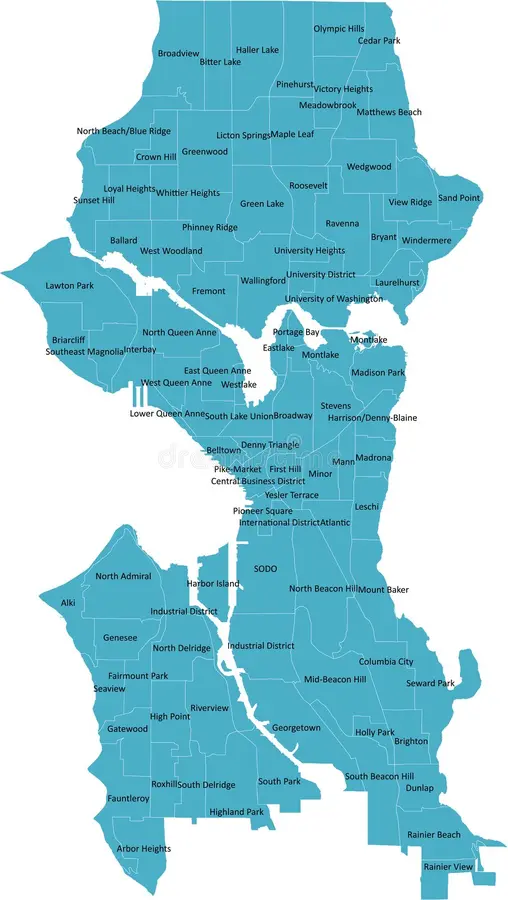 One of the things I love about Seattle is how different its neighborhoods can feel, even when they’re relative close in distance.
Seattle isn’t a city where every neighborhood offers the same experience. Some areas are walkable, lively, and filled with restaurants and coffee shops. Others feel almost suburban, with quiet residential streets, parks, and larger yards.
For example:
- Ballard: A popular choice for buyers who want neighborhood restaurants, breweries, shopping, and access to waterfront recreation. It offers a mix of historic homes, townhomes, and newer construction.
- Queen Anne: Known for its beautiful homes, established residential streets, neighborhood amenities, and proximity to downtown and South Lake Union.
- Green Lake: A favorite for buyers who prioritize outdoor recreation, walkability, and access to parks. The lake itself is a major gathering place for runners, cyclists, and people enjoying the outdoors.
- Wedgwood, View Ridge, Bryant, Laurelhurst and Maple Leaf: Established Northeast Seattle neighborhoods offering residential streets, parks, neighborhood businesses, and a mix of older homes and new construction.
- Magnolia: A quieter, more residential part of Seattle with beautiful parks, access to Discovery Park, and a sense of separation from the busier parts of the city.
- Fremont and Wallingford: Popular with buyers who enjoy walkable neighborhood centers, independent shops, restaurants, and proximity to major employment hubs.
These are just a few examples, and even within each neighborhood, the experience can change significantly from one street to another.
My advice: Don’t fall in love with a neighborhood based solely on what you’ve read online. Spend time exploring it, ideally at different times of day, before making a decision.
2. Your Commute May Matter More Than You Think
If there’s one thing that surprises relocating buyers, it’s how much geography impacts travel times in the Seattle area.
Seattle has several major employment centers, including downtown Seattle, South Lake Union, the University of Washington, Bellevue, Kirkland, and Redmond. While these locations may not appear particularly far apart on a map, bridges, traffic patterns, and limited east-west routes can make commuting more complicated than expected.
For example, someone working in South Lake Union may find that living in Queen Anne, Fremont, or parts of Northeast Seattle provides a convenient commute.
Someone working in downtown Bellevue or Redmond, on the other hand, may prefer Kirkland, Bellevue, or another Eastside community.
That doesn’t mean you can’t live in Seattle and work on the Eastside, or vice versa. Plenty of people do. But understanding what that commute actually looks like during your typical work hours is important.
I encourage relocating clients to consider:
- How frequently will you commute to an office?
- Will you need to cross Lake Washington regularly?
- Is public transportation a realistic option?
- How important is being close to the airport?
- Will you be traveling frequently for work?
Seattle’s light rail system and regional transit connections can also influence where you choose to live. With ongoing transportation improvements, it’s worth considering both existing transit options and confirmed future connections.
A neighborhood that looks perfect on paper may feel very different once you experience the daily commute.
3. Seattle or the Eastside? It’s Not Just About the Address
One of the most common questions I hear from relocating buyers is whether they should live in Seattle or on the Eastside.
The Eastside generally refers to communities east of Lake Washington, including Bellevue, Kirkland, Redmond, and surrounding areas.
Both Seattle and the Eastside offer excellent housing options, but the experience can be quite different.
Living in Seattle
Seattle offers an incredible variety of neighborhoods, housing styles, restaurants, cultural experiences, and outdoor recreation.
Depending on where you live, you may enjoy walkable neighborhood businesses, historic architecture, access to waterfront parks, and proximity to downtown employment centers.
Housing options range from historic Craftsman homes and midcentury properties to modern townhomes, condominiums, and newly constructed single-family homes.
Living on the Eastside
Bellevue, Kirkland, and Redmond offer their own distinct communities, with a mix of established neighborhoods, newer homes, parks, shopping, and major employment centers.
Downtown Bellevue provides an urban environment with high-rise living, restaurants, and shopping, while neighborhoods farther from the downtown core often have a more residential feel.
Kirkland offers waterfront amenities and neighborhood centers, while Redmond provides access to major technology employers, trails, and recreation.
The Eastside is particularly appealing to buyers who want to be closer to employers in Bellevue and Redmond or who prefer the housing options and neighborhood characteristics found there.
Which is better?
Neither is inherently better. It depends on your priorities.
I work with relocating buyers on both sides of Lake Washington, and I often recommend exploring several communities before narrowing the search.
Sometimes the neighborhood that makes the most sense is one the buyer hadn’t considered at all.
4. Understand What Your Budget Actually Buys
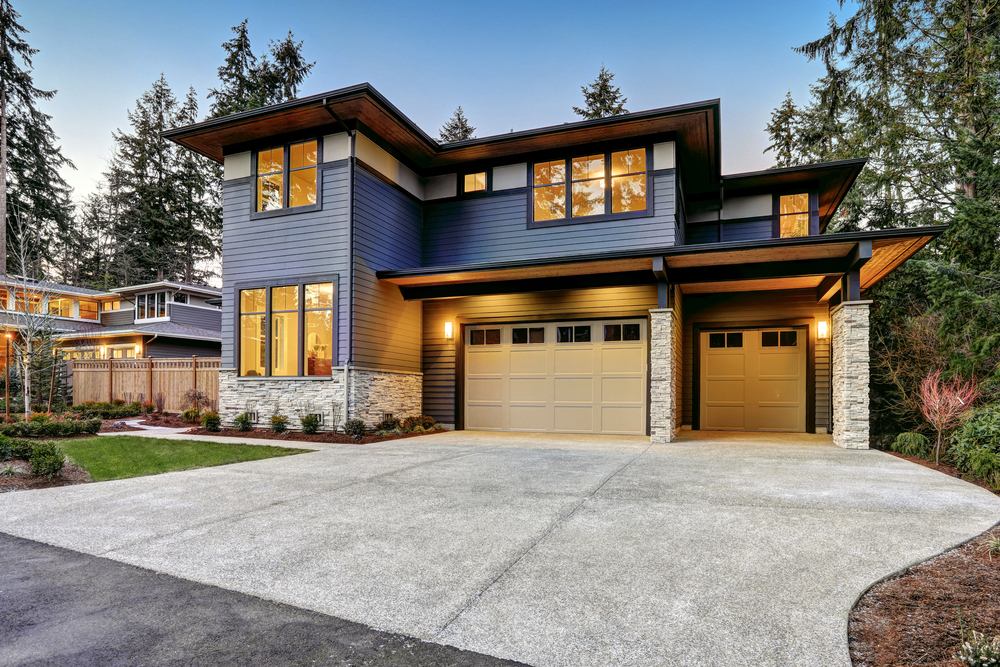
One of the biggest adjustments for people moving to Seattle is understanding the local housing market.
Depending on where you’re relocating from, Seattle-area home prices may be higher than expected. But what surprises many buyers is how dramatically housing options can vary between neighborhoods, even at similar price points.
For example, the same budget might purchase:
- A newer townhome in a walkable Seattle neighborhood.
- An older single-family home with a larger yard in a more established residential area.
- A condominium in a central urban location.
- A newer single-family home in a different part of the greater Seattle region.
The tradeoffs aren’t always obvious from online listings.
A home with more square footage may have a less functional layout. A smaller home may offer a better location, more natural light, or a more practical use of space.
And in Seattle, features such as views, privacy, outdoor space, parking, and proximity to employment centers can have a significant impact on value.
Rather than focusing exclusively on square footage or bedroom count, I encourage buyers to think about how they actually want to live in their home.
The goal isn’t necessarily to buy the biggest house your budget allows. It’s to find the home and location that provide the best overall fit.
5. New Construction vs. Older Homes: Know the Tradeoffs
Seattle has an interesting mix of older housing stock and modern new construction.
In established neighborhoods, you’ll find everything from early 1900s Craftsman homes to midcentury properties and contemporary infill development.
One of the things that makes Seattle’s housing market unique is that much of its new construction happens within existing neighborhoods rather than in large, master-planned developments.
That means you might find a brand-new townhome or single-family home on the same block as homes built 70 or 100 years ago.
Why buyers choose new construction
New construction can offer modern floor plans, updated building systems, energy-efficient features, contemporary finishes, and fewer immediate maintenance concerns.
For relocating buyers, especially those managing a move from another state, having a newer home with fewer anticipated projects can be particularly appealing.
Why buyers choose older homes
Older homes often offer established landscaping, architectural character, and lot configurations that can be harder to find in newer developments.
Some buyers also prefer the more traditional layouts, larger yards, or unique details found in older Seattle homes.
Neither option is automatically the better investment or lifestyle choice.
Having worked extensively with Seattle-area builders and new construction, I help buyers understand the differences in construction quality, floor plans, warranties, inspections, and long-term ownership considerations.
It’s important to evaluate the individual property, not just its age.
6. Think Beyond the House: What Does Your Everyday Life Look Like?
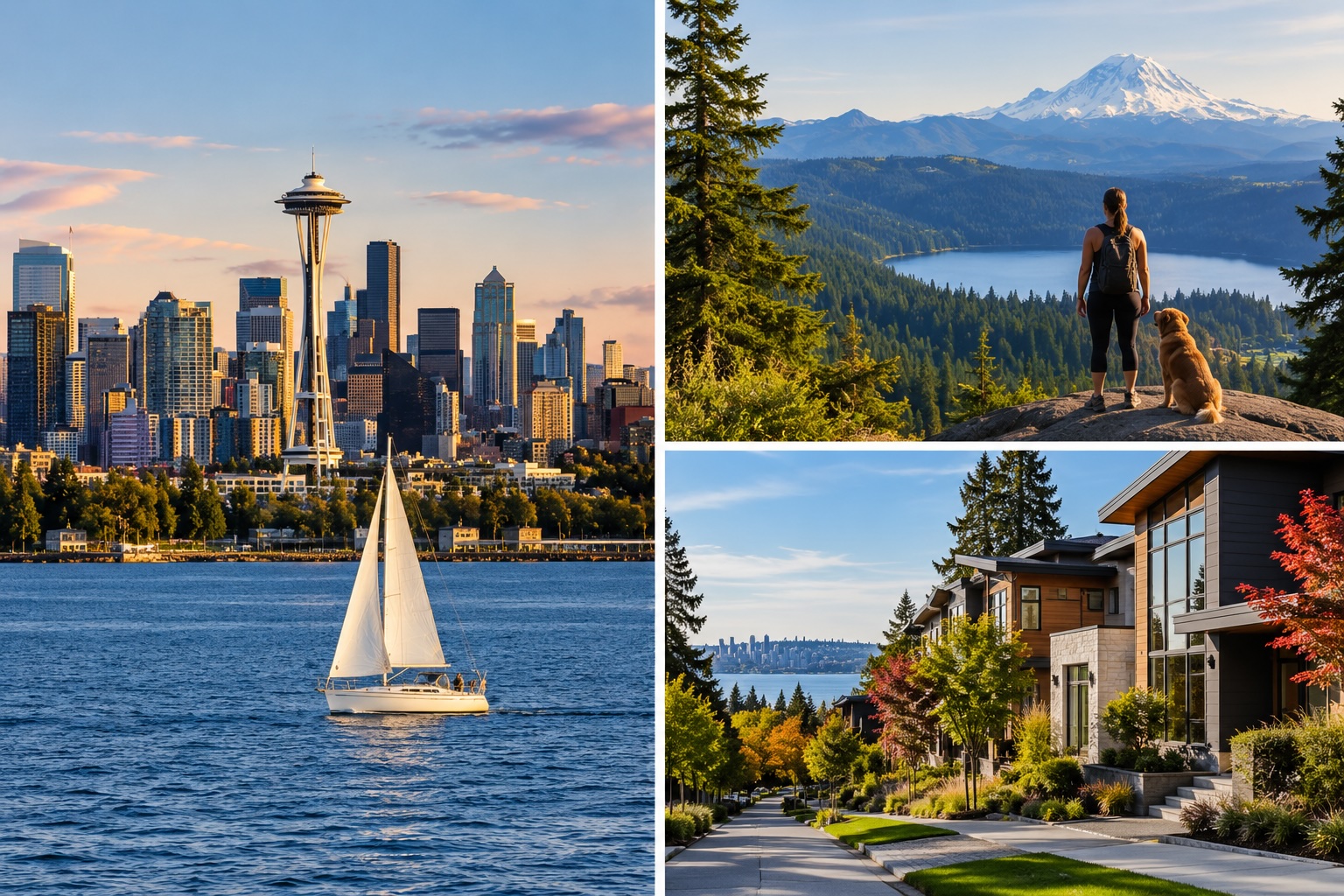
When buyers relocate, it’s easy to focus on the practical requirements: number of bedrooms, bathrooms, price, and commute.
But I also encourage clients to think about the lifestyle they’re hoping to create.
Seattle offers incredible access to outdoor recreation, professional sports, arts, restaurants, and cultural experiences. The question is how you want those activities to fit into your everyday life.
Do you want to walk to your favorite coffee shop in the morning?
Would you rather have a larger yard and a quieter street?
Do you want easy access to running trails, cycling routes, parks, or waterfront activities?
Are you hoping to spend weekends exploring the mountains, skiing, hiking, or getting out on the water?
Would you prefer to live close to restaurants and entertainment, or are you comfortable driving to those activities?
As someone who has spent years involved in Seattle’s athletic and outdoor communities, I can tell you that access to recreation is one of the things that makes living here special.
But your experience will depend in part on where you choose to live.
A neighborhood that fits your everyday routines can make a bigger difference in your quality of life than an extra bedroom or a few hundred additional square feet.
7. Should You Rent Before Buying in Seattle?
This is another question that comes up frequently with relocating clients.
There isn’t a universal right answer.
Renting first can provide time to explore neighborhoods, understand commute patterns, and get comfortable with the region before making a long-term commitment.
For some buyers, especially those relocating for a new job or unfamiliar with the Seattle area, that flexibility can be valuable.
On the other hand, buyers who have a clear understanding of their priorities, plan to stay in the area for several years, and are financially prepared may prefer to purchase sooner.
The important thing is making an informed decision rather than feeling pressured to buy immediately or assuming that renting first is always necessary.
I’ve helped relocating clients explore both options, including finding rental housing while developing a longer-term homeownership plan.
Sometimes the best first step is simply getting to know the area.
8. Work With Someone Who Understands Both Sides of Lake Washington
One of the challenges with relocating to Seattle is that online research can only tell you so much.
A neighborhood description won’t necessarily explain why one street commands a premium over another, how different housing styles compare, or what you should know about a particular builder.
And when you’re shopping from out of state, those details become even more important.
I relocated to Seattle from California myself, so I understand how much there is to learn when you’re getting to know a new city.
Today, as a Seattle-based Managing Broker with Windermere Real Estate, I work with buyers throughout Seattle and the Eastside, with particular expertise in new construction and relocation.
My approach is to help clients understand their options, evaluate the tradeoffs, and make decisions based on their priorities rather than simply steering them toward a particular neighborhood or property.
Because finding the right home starts with understanding what matters most to you.
Frequently Asked Questions About Moving to Seattle
What are the best neighborhoods in Seattle for people relocating?
The best neighborhood depends on your budget, commute, housing preferences, and lifestyle. Ballard, Queen Anne, Green Lake, Fremont, Wallingford, Wedgwood, Maple Leaf, and Magnolia are among the neighborhoods worth exploring. Bellevue, Kirkland, and Redmond are also popular alternatives across Lake Washington.
Is it better to live in Seattle or Bellevue?
Seattle offers a wide variety of established neighborhoods, housing styles, and urban amenities. Bellevue offers its own mix of urban and residential living, along with proximity to major Eastside employers. The better choice depends on where you work, how you spend your time, and the type of home you want.
Is Seattle a good place to buy a house?
Seattle offers access to major employers, outdoor recreation, cultural amenities, and a diverse range of neighborhoods. Whether purchasing makes sense depends on your financial situation, expected length of ownership, and the specific property. Buyers should evaluate affordability, ongoing ownership costs, and local market conditions rather than assuming every home will appreciate at the same rate.
Should I rent or buy when relocating to Seattle?
Renting may make sense if you’re unfamiliar with the region or uncertain about your long-term plans. Buying may be appropriate if you know where you want to live, have a stable financial situation, and expect to remain in the area long enough to justify the transaction costs. Both approaches can be part of a thoughtful relocation strategy.
Are there new construction homes in Seattle?
Yes. Much of Seattle’s new construction consists of infill development, including townhomes, detached single-family homes, cottages, and accessory dwelling units built within existing neighborhoods. Bellevue, Kirkland, and other Eastside communities also offer new construction, with availability and home styles varying by location.
Ready to Make Seattle Home?
Whether you’re relocating for work, exploring a lifestyle change, or simply looking for a fresh start in the Pacific Northwest, choosing the right neighborhood is one of the most important decisions you’ll make.
And you don’t have to figure it all out on your own.
I help buyers navigate Seattle and the Eastside, from understanding neighborhood differences and evaluating homes to coordinating the details of a move from out of state.
Thinking about moving to Seattle? Let’s talk about what you’re looking for and start exploring the neighborhoods that make the most sense for you.
Marnie Oshan | Managing Broker, Windermere Real Estate | Seattle & Eastside Real Estate | New Construction & Relocation Specialist
Seattle Relocation Guide | Seattle vs. Bellevue | Best Seattle Neighborhoods | Moving to the Pacific Northwest
