
 Facebook
 X
 Pinterest
 Copy Link
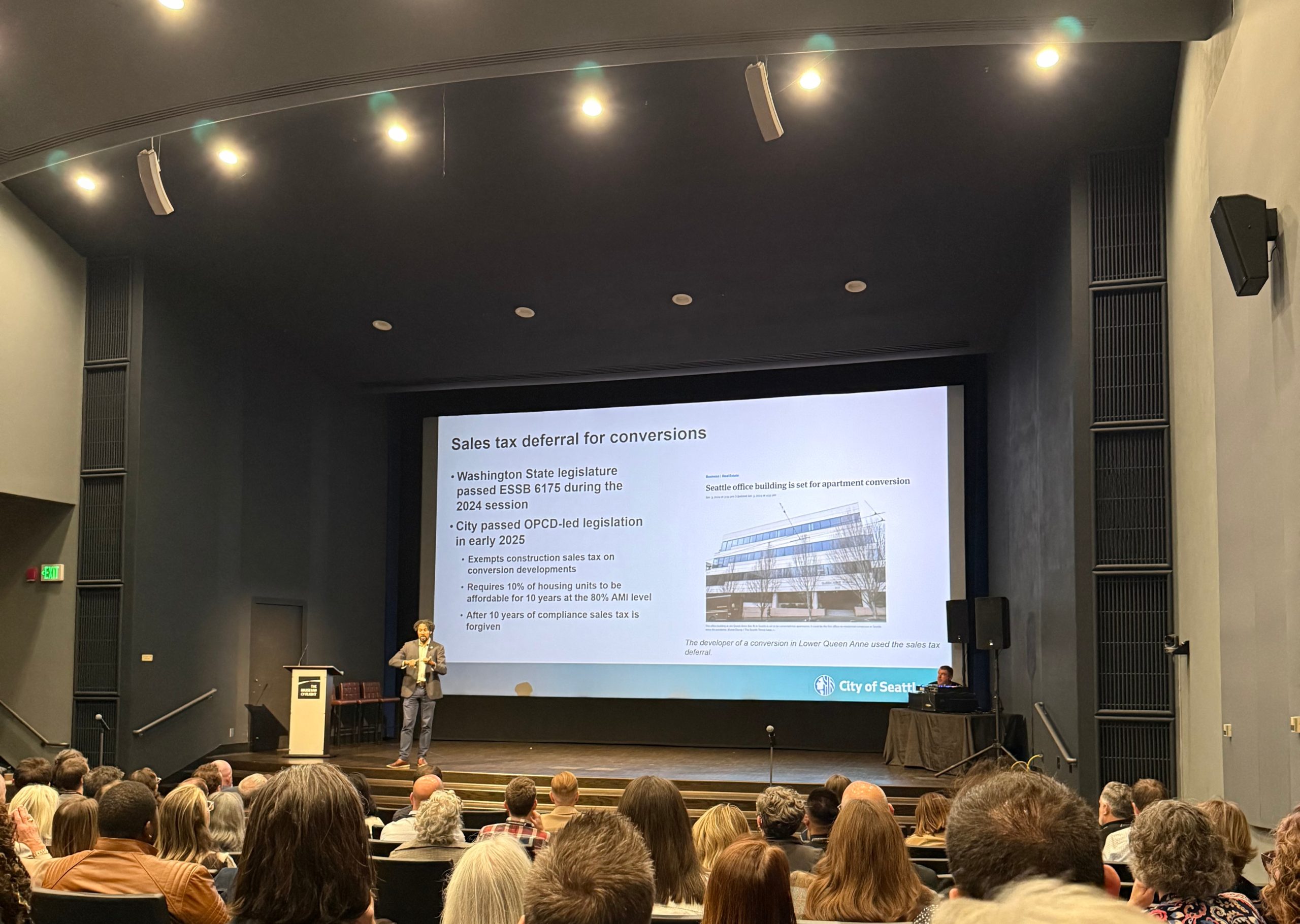
If you’ve been following the housing market lately, you’ve probably noticed that the headlines can be confusing. One day we’re hearing about high mortgage rates and slowing home sales. The next, we’re hearing that the economy is more resilient than expected.
So, where are we actually headed?
Yesterday, I attended the Seattle King County REALTORS® State of the Industry event at the Museum of Flight, where Logan Mohtashami, lead analyst at HousingWire, shared his economic outlook.
My biggest takeaway? There are reasons to be optimistic about the direction of the economy and housing market, even if the recovery isn’t happening as quickly as everyone would like.
And for buyers and sellers here in the Seattle area, that distinction is an important one.

A Healthier Housing Market Doesn’t Necessarily Mean Higher Prices
One of the things I appreciate about Logan’s approach to economic forecasting is his focus on data rather than headlines.
In a recent HousingWire podcast discussing his housing market framework, he explains why employment, mortgage rates, housing inventory, and actual buyer activity are much more useful indicators than sensational predictions about a market crash.
His broader outlook points to a housing market that is structurally healthier than the one preceding the 2008 financial crisis.
That doesn’t mean every market is thriving, or that prices can’t decline. It means we’re dealing with a different set of economic circumstances.
In fact, a market with more available homes, more measured price growth, and greater negotiating opportunities can be a positive development, particularly after years of extreme competition.
Mortgage Rates Still Matter, But They’re Not the Whole Story
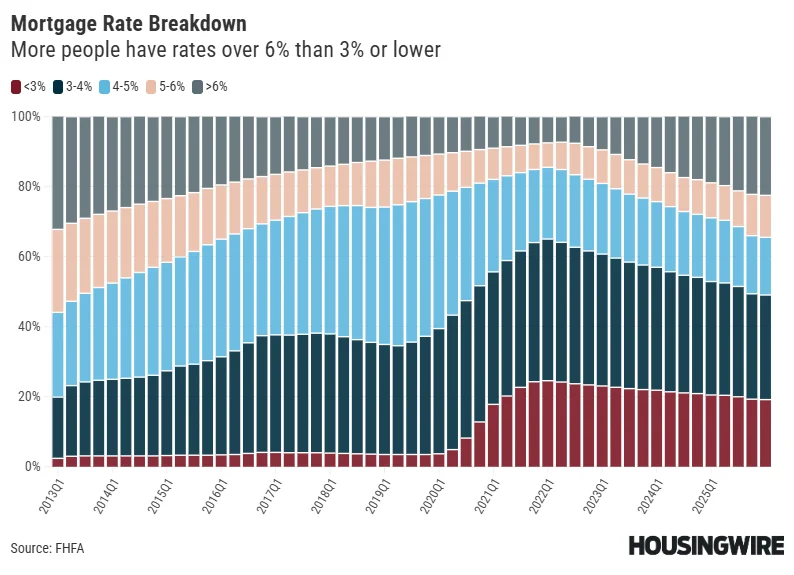
Mortgage rates remain one of the biggest factors affecting buyer confidence and affordability.
Logan’s research has consistently shown that housing demand tends to improve as mortgage rates move closer to 6%, while higher rates create additional challenges for buyers.
But mortgage rates don’t operate in isolation.
Employment trends, wage growth, inflation, bond markets, and the number of available homes all influence where the housing market goes next.
And there’s an interesting tradeoff: Lower mortgage rates can improve purchasing power, but they can also bring more buyers back into the market, potentially increasing competition.
That’s why I encourage buyers to consider the entire financial picture rather than making decisions based solely on where they think mortgage rates might go.
What Does This Mean for Seattle and the Eastside?
We’re already seeing some important changes in our local market.
According to the Northwest Multiple Listing Service’s September 2026 report:
- King County housing inventory increased 31.1% compared with September 2025.
- The county’s median sale price held steady at $850,000 year over year.
- King County reached approximately 4.7 months of inventory, signaling a market with more choices and less intense competition.
- Across the broader NWMLS region, pending sales declined 15.1% year over year, demonstrating that affordability and buyer hesitation remain real challenges.
These numbers tell an interesting story.
Buyers have more options than they’ve had in years, yet we’re not seeing a corresponding collapse in overall King County home prices.
Of course, real estate is hyperlocal. What’s happening with a luxury new construction home in Bellevue may look very different from the market for a Seattle condominium or a single-family home in Green Lake.
That’s why understanding the specific neighborhood, price point, property type, and competing inventory is more important than ever.
For Buyers: Opportunity May Look Different Than You Expect
If you’ve been waiting for the market to become more favorable, this may be a good time to revisit your options.
More inventory can mean more opportunities to negotiate on price, closing costs, repairs, or financing incentives.
I’m seeing this particularly in new construction, where some builders are offering meaningful buyer incentives to move completed inventory.
Those incentives can sometimes be used toward mortgage rate buydowns or closing costs, potentially making a substantial difference in the cost of purchasing a home.
The key is evaluating the full transaction, not just the asking price.
And while nobody can predict exactly where mortgage rates or home prices will go, today’s negotiating opportunities may be worth exploring rather than waiting for a perfect combination of lower rates and lower prices.
For Sellers: Strategy Matters More Than Ever
The days of putting almost any home on the market and expecting multiple offers within a weekend are largely behind us.
That doesn’t mean homes aren’t selling. It means buyers have more choices and are being more selective.
For sellers, accurate pricing, thoughtful preparation, professional marketing, and a clear understanding of competing listings are essential.
In some cases, offering a buyer credit toward closing costs or a mortgage rate buydown may be more effective than making repeated price reductions.
In others, a price adjustment may be exactly what’s needed to attract the right buyer.
There’s no one-size-fits-all approach, particularly in a market as varied as Seattle and the Eastside.
Looking Ahead: Reasons for Cautious Optimism
What I took away from Logan’s presentation is that there’s value in looking beyond the immediate headlines.
The housing market has been navigating a difficult period of affordability challenges, elevated mortgage rates, and reduced transaction activity. But a slower market doesn’t automatically mean an unhealthy one.
A more balanced market can create opportunities for buyers to make thoughtful decisions and for sellers to compete based on the actual value of their homes.
Personally, I see that as a positive development.
Real estate is a long-term investment for most people, and a market that allows buyers and sellers to make informed decisions without the pressure of extreme competition is ultimately a healthier environment.
My advice? Don’t try to time the market perfectly. Understand the market you’re actually in.
Whether you’re thinking about buying your first home, moving up, downsizing, or exploring real estate as an investment, the right decision starts with understanding your goals, your financial position, and the opportunities available today.
If you’re curious about what these economic trends mean for your specific neighborhood or real estate plans, I’d be happy to talk through the numbers with you.
