
 Facebook
 X
X
 Pinterest
 Copy Link
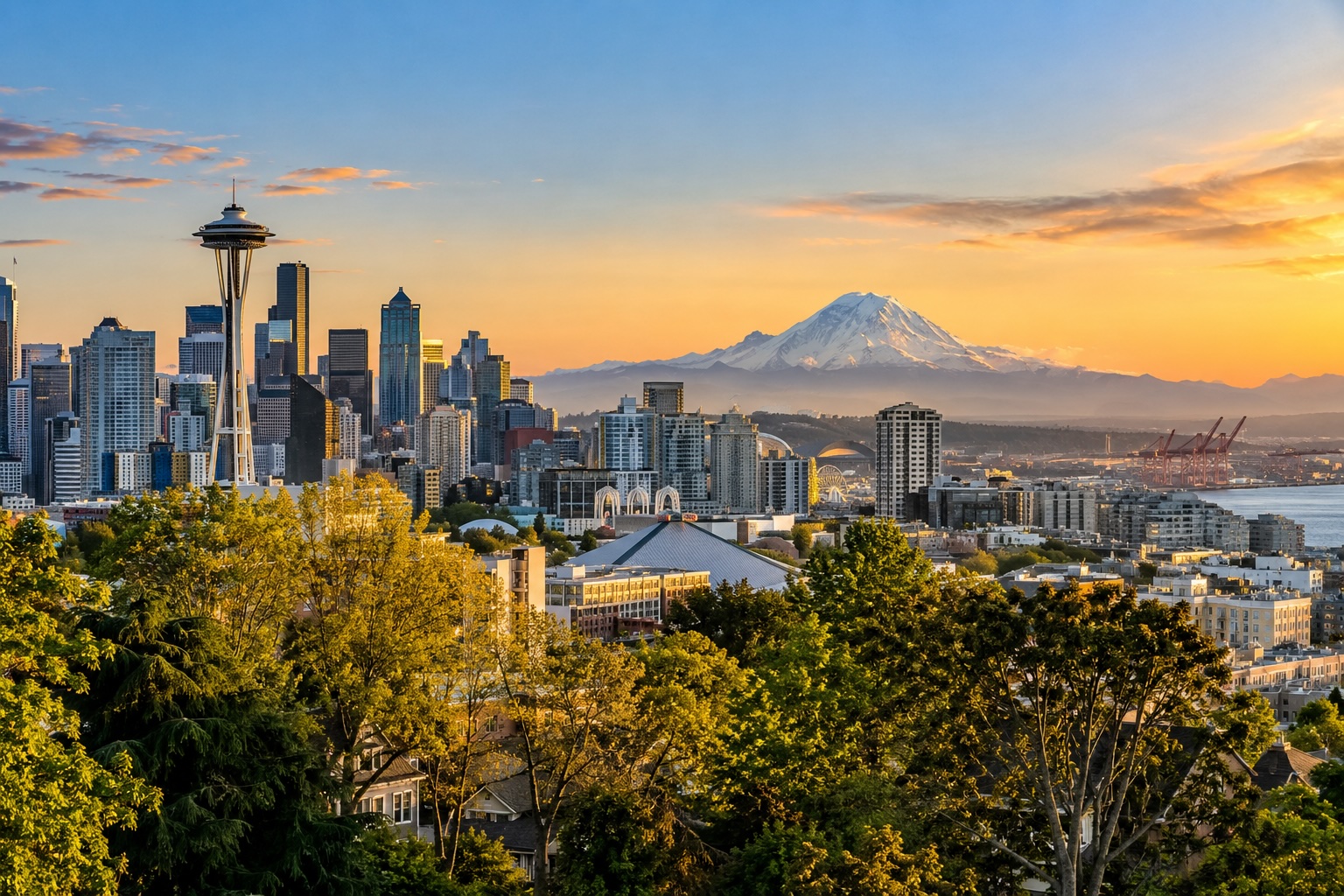
Why Washington State’s Economic Future Looks Bright for Homebuyers and Homeowners
Is Washington State still a good place to live, work, buy a home and build a future?
There are plenty of reasons to believe the answer is yes.
Washington already has one of the largest and most innovative economies in the country, anchored by industries ranging from technology and aerospace to healthcare, life sciences, clean energy, international trade and advanced manufacturing.
Now, state leaders are taking a closer look at what Washington needs to do to remain competitive for the next generation of businesses, workers and residents.
Governor Bob Ferguson recently created a new Economic Development Council, bringing together 26 leaders from major Washington businesses, universities, labor organizations and communities. The group has been tasked with evaluating Washington’s economic competitiveness and developing recommendations for how the state can continue attracting businesses, creating jobs and encouraging investment.
For people considering moving to Washington State, relocating to Seattle or Bellevue, buying a home in the Seattle area or investing in Washington real estate, this is a conversation worth paying attention to.
Washington Is Building on an Already Strong Economy
Washington isn’t trying to create an economic engine from scratch.
According to the Governor’s announcement of the Economic Development Council, Washington has the ninth-largest state economy in the United States and has recently ranked second nationally for the strength of its economy and first for economic productivity.
The Seattle region in particular has developed into one of the country’s most significant centers for technology and innovation, while Washington’s broader economy benefits from major industries including:
- Technology and artificial intelligence
- Aerospace and aviation
- Healthcare and life sciences
- Clean energy
- Advanced manufacturing
- Maritime industries
- Agriculture
- International trade
That diversity is important for Washington’s long-term economic outlook.
Economic cycles are inevitable, and individual industries will expand and contract. But a region supported by multiple major industries, research institutions, universities and a highly skilled workforce has more opportunities to adapt as the economy changes.
Washington Business Leaders Are Helping Shape What Comes Next
One of the most encouraging aspects of the Economic Development Council is the range of organizations represented.
The council includes leaders from some of Washington’s most recognizable companies and institutions, including Microsoft, Amazon, Boeing, T-Mobile, Alaska Airlines, Puget Sound Energy, the Port of Seattle, the University of Washington, Washington State University and Fred Hutchinson Cancer Center.
The council’s work goes beyond simply studying today’s economy.
According to the Governor’s office, it will evaluate Washington against competing states and global markets, identify emerging economic opportunities, examine regulatory barriers to growth and help develop strategies for attracting additional businesses and investment to Washington.
A statewide economic competitiveness plan is expected by June 2027.
That makes this a forward-looking conversation: What does Washington need to do today to remain one of the country’s most desirable places to build a company, pursue a career and create a life 10 or 20 years from now?
Why Washington’s Economy Matters to Seattle-Area Real Estate
What does economic competitiveness have to do with the Washington housing market?
Quite a lot.
Over the long term, housing demand is influenced by some very basic fundamentals: people need reasons to move somewhere, establish careers and stay there.
Strong employers create jobs. Jobs attract workers. Growing companies bring relocation into a region. Those residents need homes, services, schools, restaurants, transportation and infrastructure.
That’s particularly relevant in employment centers such as Seattle, Bellevue, Redmond and the greater Eastside, where housing demand has long been connected to the strength and evolution of the regional economy.
For homeowners and real estate investors, the long-term desirability of a location is also an important component of property value.
No one can guarantee what Seattle-area home prices or mortgage rates will do next year. But real estate decisions shouldn’t be based exclusively on the next 12 months.
When I’m helping someone evaluate a home purchase or relocation, I think another question deserves just as much attention: What are the reasons people will still want to live here 5, 10 or 20 years from now?
Washington has many of the fundamentals I want to see when answering that question: major employers, a highly skilled workforce, globally significant industries, respected universities, international trade connections, research institutions and an established culture of innovation.
Housing Supply Is Becoming Part of Washington’s Economic Strategy
Of course, attracting employers and workers creates another challenge:
We need enough housing for the people who want to live here.
Housing affordability and supply remain significant issues throughout Washington, particularly in high-demand areas around Seattle and the Eastside.
What’s encouraging is that housing is increasingly being treated as part of the state’s broader economic competitiveness strategy.
Washington has been pursuing a number of changes intended to make it easier to create more housing.
The Washington State Department of Commerce is helping communities implement expanded middle-housing options, including duplexes, townhomes, cottage housing and other housing types designed to add inventory within existing communities.
Additional legislation passed in 2026 addresses residential development in commercial and mixed-use areas and seeks to streamline residential permitting. You can read Washington Commerce’s overview of the 2026 housing and land-use legislation for more detail.
The state has also launched the Washington Accelerator for Residential Production, or WARP, an initiative focused specifically on identifying barriers to housing construction, reducing development costs, accelerating timelines and increasing housing production statewide.
For someone who works extensively with new construction in Seattle and on the Eastside, this is particularly interesting to watch.
Increasing housing supply isn’t an overnight solution to affordability. But reducing unnecessary barriers to construction and creating more types of housing could help Washington accommodate future growth more effectively.
Washington’s Next Economy Could Be Even More Diverse
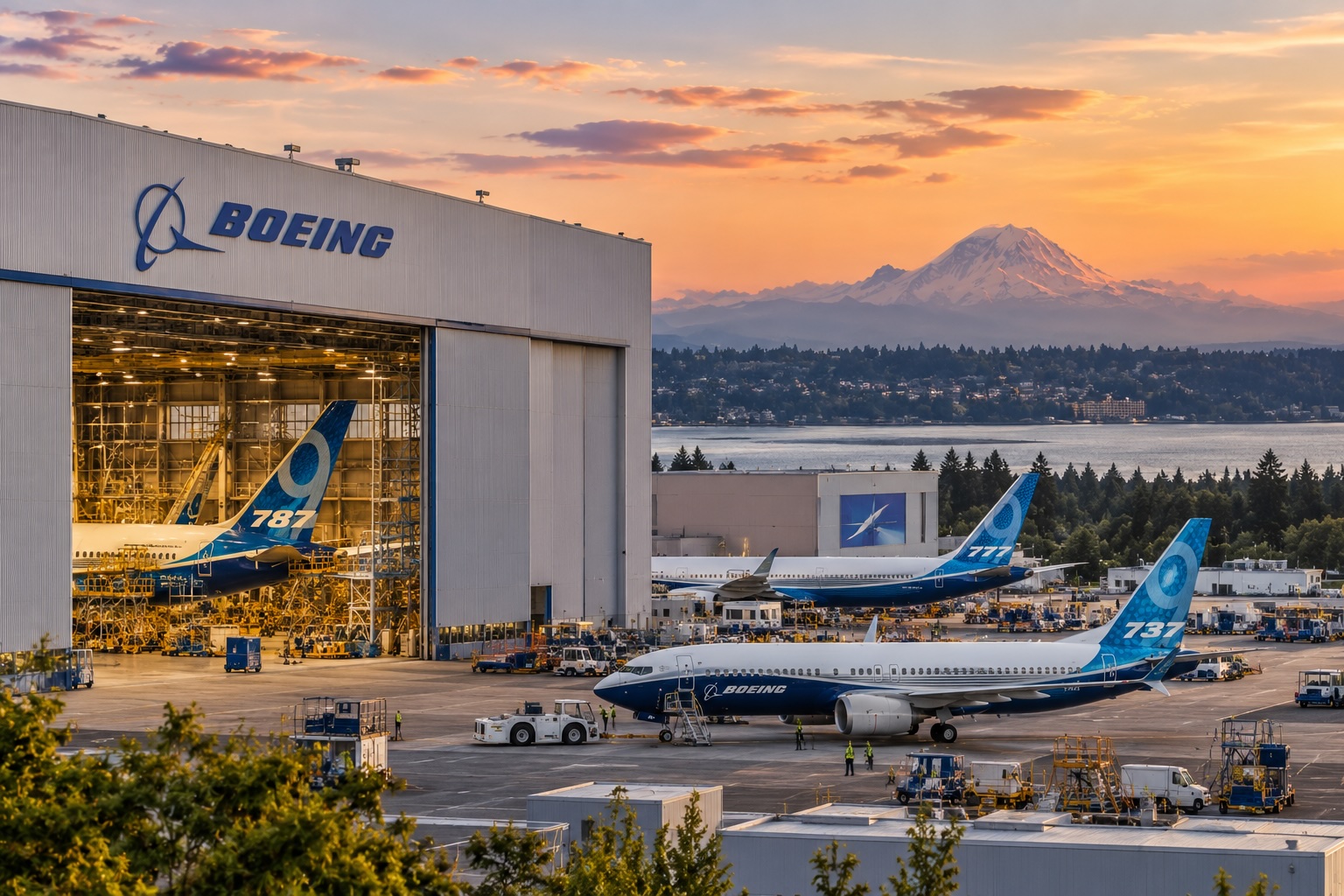
Another reason I’m optimistic about Washington’s future is that many industries expected to shape the next several decades already have a presence here.
Artificial intelligence, cloud computing, life sciences, clean energy, aerospace innovation, advanced manufacturing and quantum computing all have connections to Washington’s existing economic ecosystem.
At the same time, established sectors such as technology, aviation, healthcare, agriculture and international trade give the state a substantial economic foundation.
That combination creates something particularly valuable: optionality.
Washington’s future doesn’t have to depend on the success of one company or one industry.
It can continue evolving.
Is Washington State a Good Place to Move in 2026?
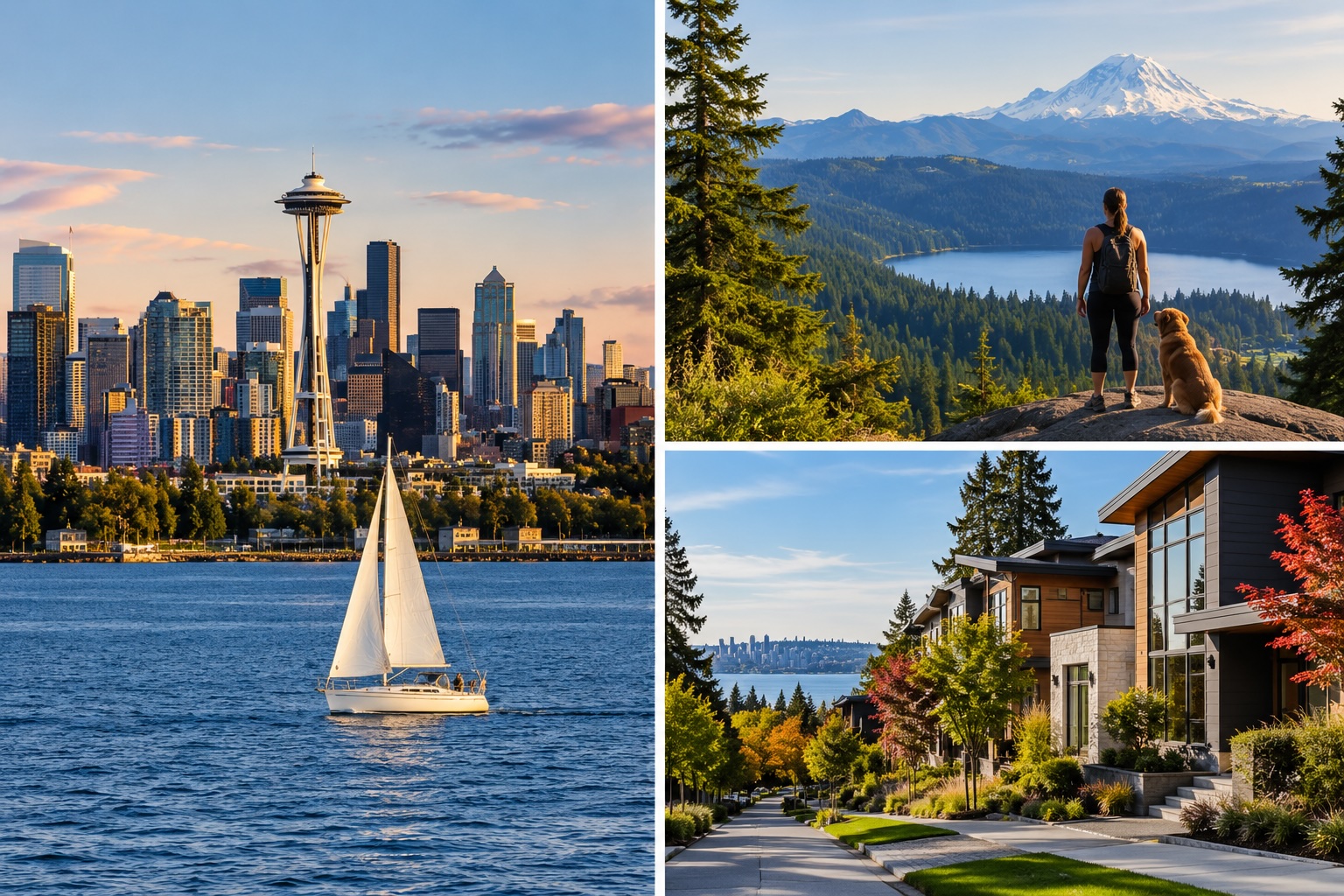
For many people, yes, particularly for those who value access to major employment centers, outdoor recreation, diverse communities and a strong innovation economy.
There are tradeoffs. Housing costs remain high in many parts of the Seattle metro area, traffic and infrastructure are ongoing challenges, and Washington will need to continue creating enough housing to accommodate future growth.
But those challenges don’t erase the fundamentals that have made the region desirable.
In fact, the decision to bring business, education, labor and community leaders together to evaluate Washington’s weaknesses as well as its strengths is one of the reasons I’m optimistic.
Maintaining economic competitiveness requires recognizing where improvements need to be made rather than assuming past success will automatically continue.
Is Washington State a Good Place to Buy a Home Long-Term?
A home should never be purchased solely because someone expects its value to increase. The right decision depends on your finances, timeline, lifestyle and individual goals.
But location matters enormously in real estate.
When evaluating a market for long-term homeownership, I want to understand the underlying reasons people will continue choosing to live there.
For the Seattle area, those reasons include a concentration of major employers, high-paying industries, educational and research institutions, access to nature, established neighborhoods and continued investment in the region’s future.
That’s a compelling foundation for someone considering putting down roots here.
Why I’m Optimistic About Washington’s Future
I work with people at several different stages of that decision.
Some are relocating to Seattle or the Eastside for a new job. Some already live here and are deciding whether it’s time to purchase their first home. Others are considering new construction, moving between Seattle and Bellevue or thinking about real estate as part of a longer-term investment strategy.
The immediate real estate market matters in all of those conversations.
So does the bigger picture.
Washington has an economy built around innovation, globally recognized companies, exceptional universities, international connections and a quality of life that continues to attract people from around the country and the world.
At the same time, there is a growing recognition that maintaining that position requires work, including improving housing production, permitting and the broader environment for businesses and workers.
The creation of Washington’s Economic Development Council doesn’t guarantee what the state’s economy will look like 10 years from now.
But it does signal an intention to compete for that future.
For current Washington homeowners, future homebuyers and people considering relocating to the Seattle area, I think that’s worth paying attention to.
Because choosing where to buy a home isn’t just about finding the right house.
It’s also about choosing a place where you believe in the future.
And I see plenty of reasons to believe in Washington’s.
Thinking about moving to Washington, relocating to Seattle or the Eastside, or buying a home in the greater Seattle area? I help buyers and relocating professionals understand not only the homes available, but also the neighborhoods, new construction opportunities and long-term considerations that go into making the right real estate decision. Reach out anytime to start a conversation.
