
 Facebook
 X
X
 Pinterest
 Copy Link
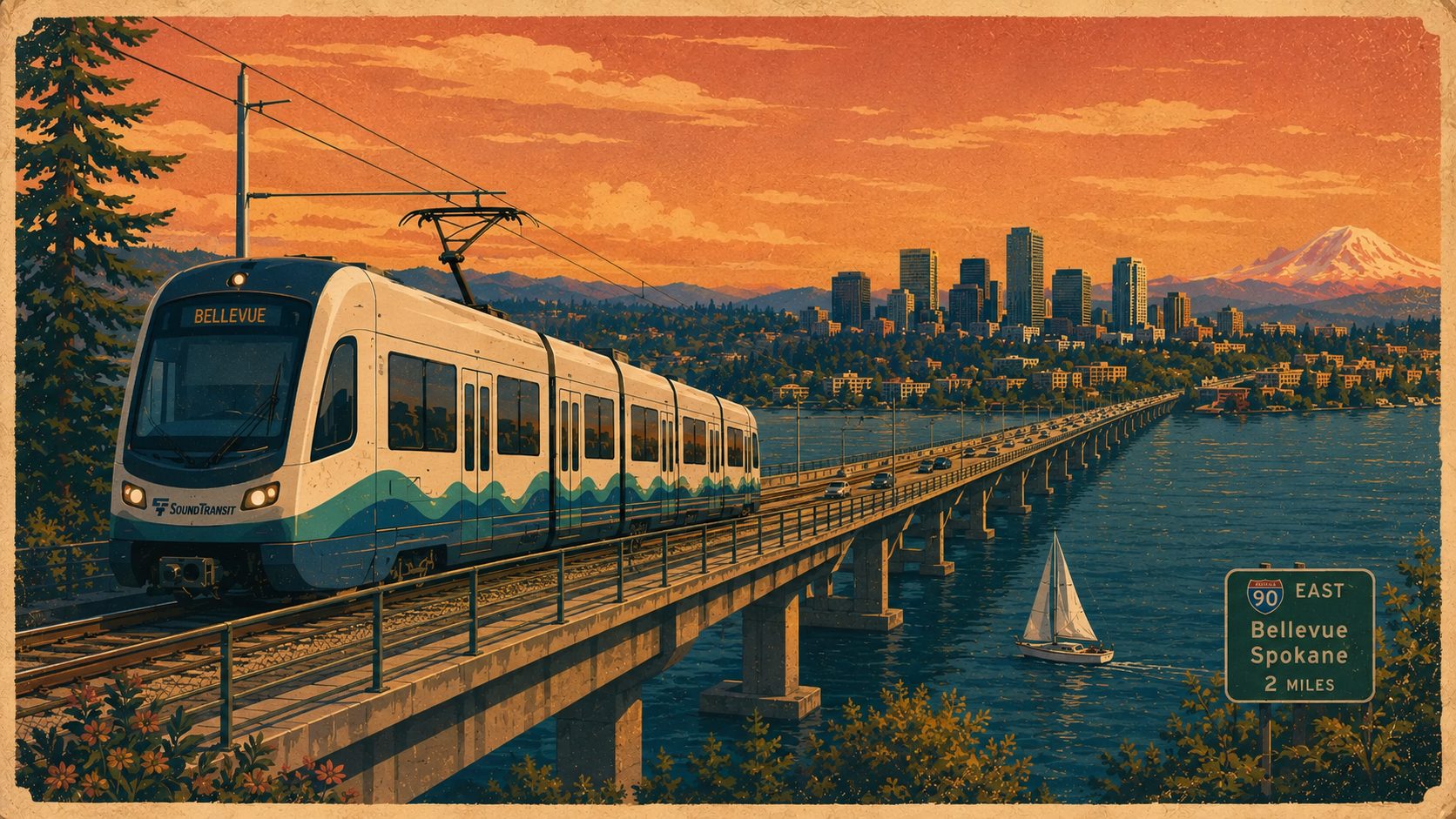
How the 2026 FIFA World Cup Changed Seattle, and Why It Matters for the Region’s Future
There are certain moments that become part of a city’s story.
For Seattle, the 1962 World’s Fair was one. The rise of companies like Microsoft and Amazon was another. And after spending several weeks welcoming the world for the 2026 FIFA World Cup, I think we can add the summer of 2026 to that list.
The matches are over. The fans have gone home, and the jerseys have been packed away. But I hope the tournament isn’t remembered as just another major sporting event.
I hope it’s remembered as a reminder of what makes Seattle such an incredible place to live.
Because the World Cup didn’t change Seattle. It simply gave the rest of the world a chance to see what we’ve known all along.
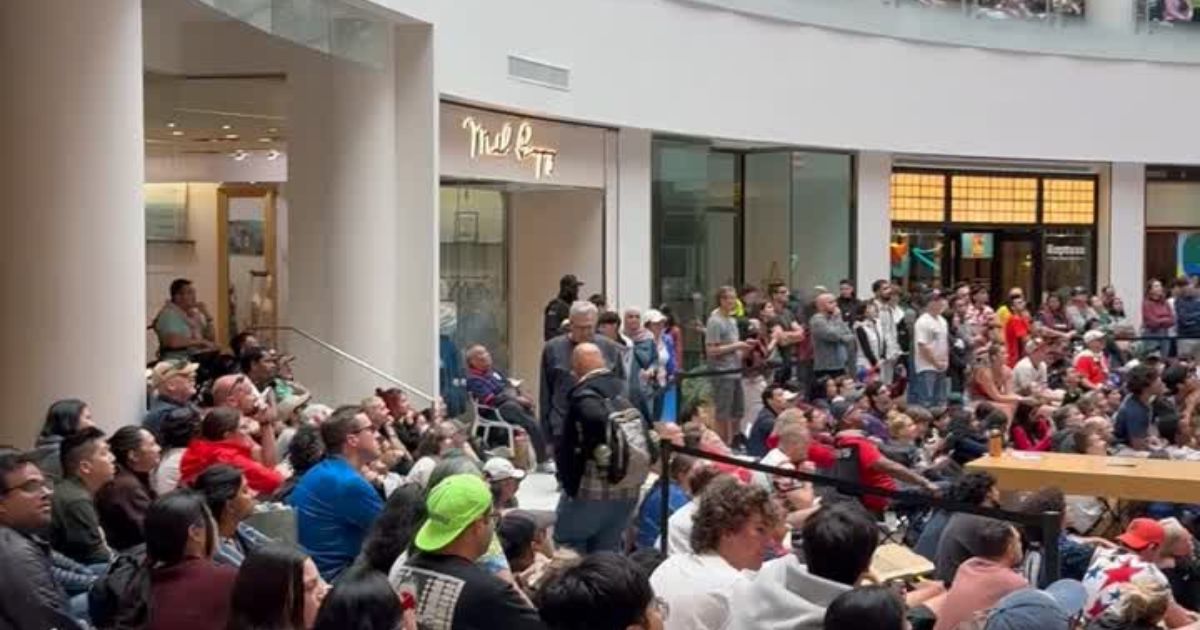
Seattle Was on Display
Every host city gets its moment in the spotlight, and Seattle made the most of it.
People tuned in to watch world-class soccer, but they also got a glimpse of everything that makes this region unique. They saw Puget Sound sparkling in the background, Mount Rainier towering over the skyline, packed fan zones, beautiful parks, ferries crossing Elliott Bay, and neighborhoods full of energy.
Visitors came expecting a tech city with a lot of rain.
Many left talking about the scenery, the food, the waterfront, and how welcoming Seattle felt.
That kind of exposure is incredibly valuable. Cities spend years and millions of dollars trying to create a positive international image. For a few weeks this summer, Seattle didn’t have to manufacture one. It simply showed up as itself.
Improvements That Will Last Long After the Tournament

One of the biggest benefits of hosting events like the World Cup is that they often speed up investments that benefit residents for years afterward.
Preparing for hundreds of thousands of visitors meant improvements to transportation, public spaces, pedestrian access, and the overall experience of moving around the city.
Those aren’t temporary upgrades. They’re improvements that all of us will continue to enjoy long after the final match.
Seattle is now better equipped to host future events, welcome more visitors, and make everyday life a little easier for the people who already call this region home.
A Legacy That Will Last
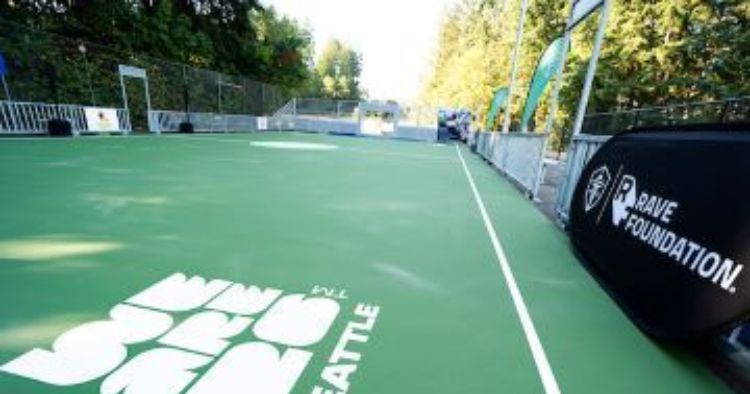
One of the best things to come out of the World Cup won’t be measured by attendance numbers or tourism dollars. It will be measured in the years ahead.
Through the RAVE Foundation’s RAVE 52 initiative, 52 free community soccer mini-pitches were built across Washington in conjunction with the tournament. These aren’t just soccer fields. They’re places where kids can play, neighbors can gather, and communities can grow.
Long after the final match, these fields will continue introducing young people to the game while creating healthier, more connected neighborhoods. To me, that’s one of the most meaningful legacies the World Cup leaves behind.
The Biggest Thing Seattle Gained Was Confidence
The most important thing the World Cup left behind wasn’t a new piece of infrastructure. It was momentum.
Over the past several years, Seattle has often found itself in the national conversation for reasons that didn’t tell the whole story. Headlines about crime, struggling office buildings, and the challenges facing downtown painted an incomplete picture of our city.
The World Cup shifted that narrative. Instead of focusing on Seattle’s challenges, people saw its strengths. They saw a beautiful waterfront city surrounded by mountains and water. They saw passionate sports fans, vibrant neighborhoods, and a community that came together to welcome people from around the world.
For those of us who live here, it was a good reminder too.
Sometimes it takes seeing your hometown through someone else’s eyes to appreciate it all over again.
The World Cup’s Impact Doesn’t End Here
Major events like this tend to have a ripple effect.
Some visitors will come back for another vacation. Others will return for work. Some may eventually decide to relocate after realizing that Seattle offers exactly the lifestyle they’ve been looking for.
That’s how cities grow their reputation.
Someone visits. They come back. Eventually, they picture themselves living here.
That may not happen overnight, but these events plant seeds that continue paying dividends long after the crowds have left.
Seattle Has Become a World-Class Sports City
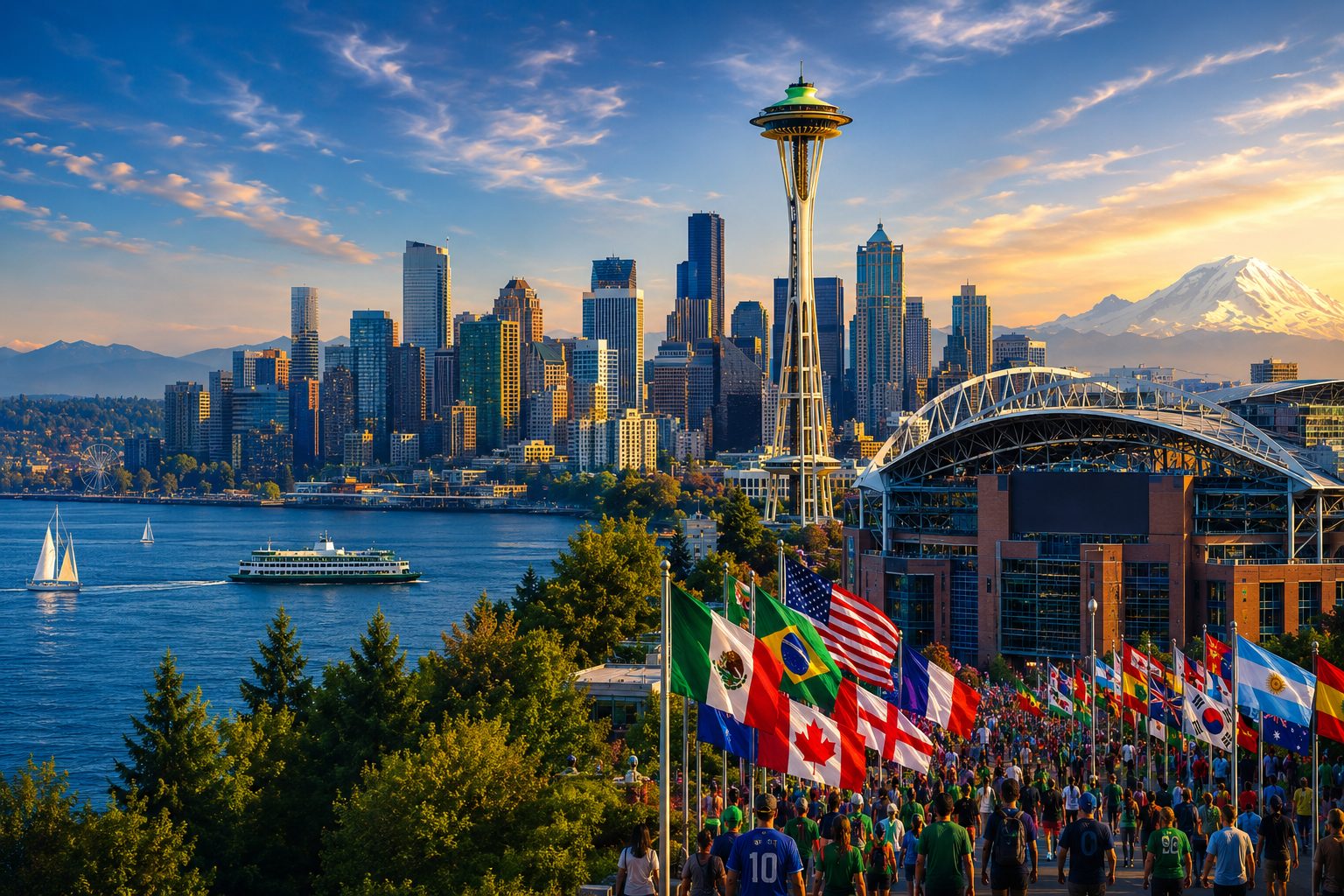
The World Cup also reinforced something that’s been building for years.
Seattle isn’t just a city with professional sports teams. It’s become one of the premier sports cities in North America.
Between the Seahawks, Mariners, Sounders, Kraken, Torrent, Storm, Reign FC, and the University of Washington, sports have become part of Seattle’s identity.
Hosting one of the biggest sporting events on the planet proved that Seattle can compete on the global stage.
That experience makes it much easier to attract future events, whether it’s international soccer, college championships, Olympic-related competitions, or other major sporting events that bring people and investment into the region.
People Still Want to Build Their Lives Here
The World Cup also highlighted something employers have understood for years.
Seattle is still one of the best places in the country to attract talented people.
Yes, the jobs matter. Companies like Microsoft, Amazon, Nintendo, Costco, Expedia, Starbucks, T-Mobile, and many others continue to draw professionals from around the world. But careers are only part of the equation.
People choose Seattle because they can ski in the winter, sail in the summer, hike on weekends, watch professional sports year-round, and still have access to one of the strongest job markets in the country.
That’s a combination very few cities can offer.
The World Cup simply gave millions of people a chance to experience that lifestyle for themselves.
What This Means for Real Estate
Real estate has always been about more than houses. It’s about people deciding where they want to build a life.
Seattle continues to attract entrepreneurs, engineers, healthcare professionals, researchers, creatives, and people from around the world who want both career opportunities and an exceptional quality of life.
Events like the World Cup reinforce why this region remains so desirable.
No one can predict where the housing market is headed next, but history has shown that cities with strong employment, global recognition, and a high quality of life tend to remain attractive places to own real estate over the long term.
Seattle continues to check all of those boxes.
Looking Ahead
The World Cup is over. The stadium is quieter, and the fans have gone home. But I hope what Seattle gained doesn’t fade with the memories.
This summer reminded the world that Seattle is more than a technology hub. It’s more than a beautiful backdrop on television. It’s a city with character, energy, and an incredible quality of life.
As someone who helps people relocate here every day, I see that firsthand. People often move to Seattle because of a job offer. They stay because they fall in love with everything else. I know this well, as this was my story that started over a decade ago.
If the World Cup helped more people discover that, then its legacy will extend far beyond the matches themselves.
Thinking About Moving to Seattle?
Whether you’re relocating for work, looking for new construction, or simply trying to find the neighborhood that best fits your lifestyle, I’d be happy to help you navigate the process. Feel free to reach out anytime, you can email me at marnie@windermere.com or call/ text 206-659-8116.
Seattle’s story didn’t end with the World Cup. In many ways, it’s just getting started.
