
 Facebook
 X
X
 Pinterest
 Copy Link
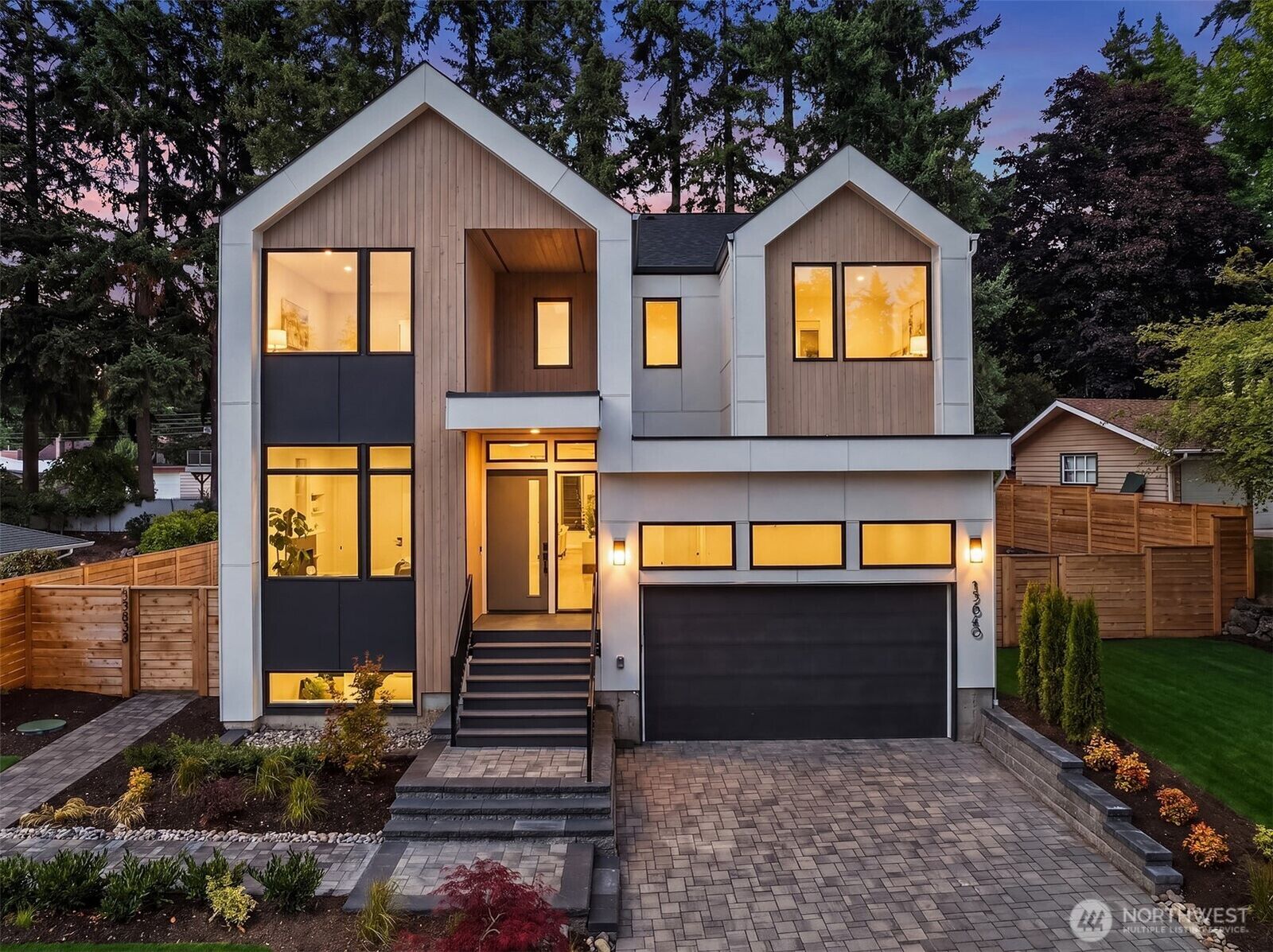
Is Now a Good Time to Buy New Construction in Seattle?
For years, buying a brand-new home usually meant paying a premium.
You got the new finishes, modern floor plan, energy efficiency and builder warranty, but you generally expected to pay more than you would for a comparable resale home.
Right now, that equation is starting to look different.
Recent housing data shows that the price gap between new and existing homes has essentially disappeared nationally. In fact, for the fourth consecutive quarter, the median price of an existing home exceeded the median price of a newly built single-family home.
That doesn’t mean every new home is suddenly inexpensive, particularly here in the Seattle area. But it does point to something I’ve been seeing firsthand:
For buyers who have been considering new construction, the current market is creating opportunities we haven’t seen in quite a while.
The New-Construction “Premium” Is Shrinking
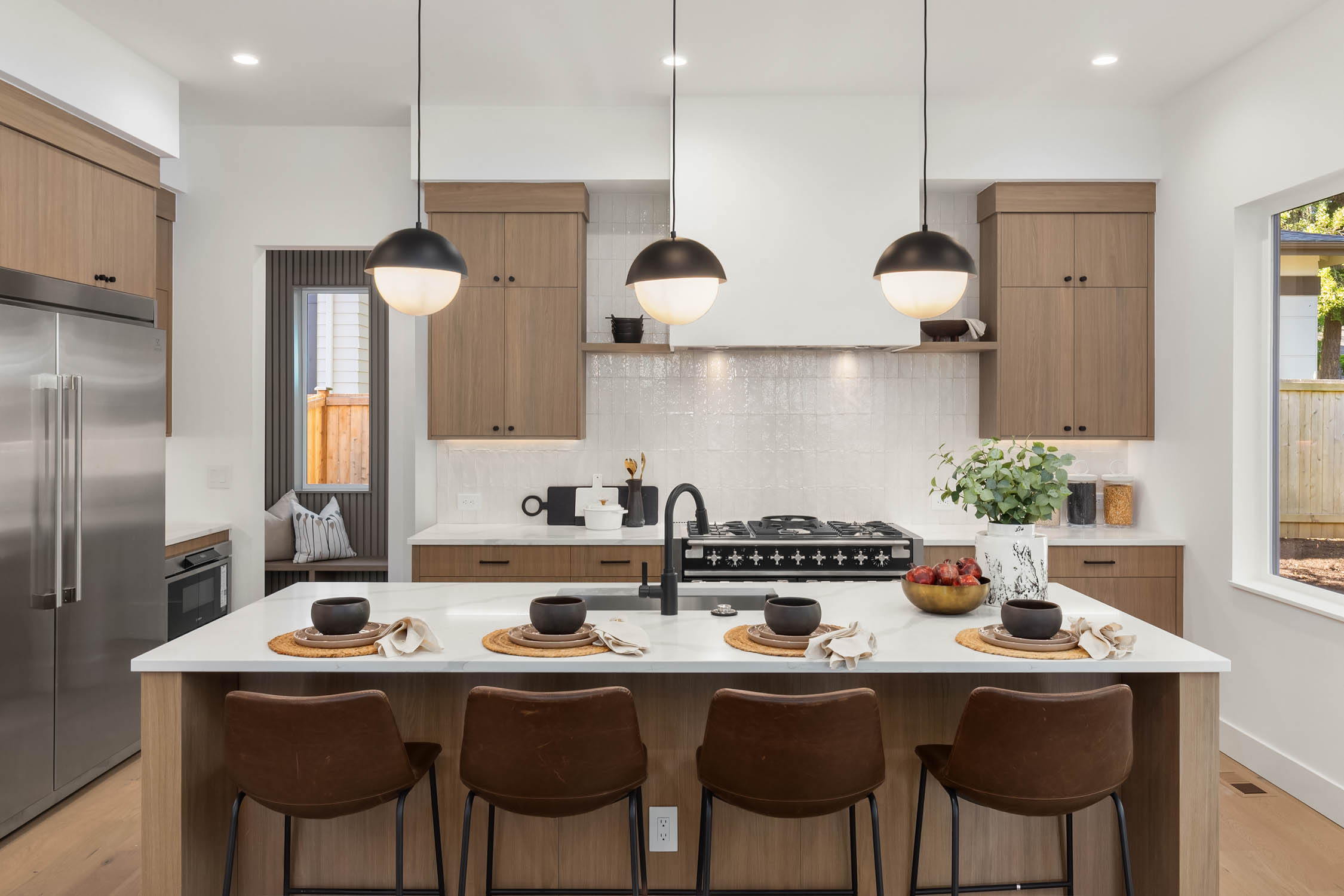
Seattle Agent Magazine recently highlighted an interesting shift in the housing market.
According to an analysis from the National Association of Home Builders, the median existing-home price during the first quarter of 2026 was $404,600 nationally, compared with $403,200 for a newly built single-family home.
In other words, the average new home was actually slightly less expensive.
There are several reasons for this.
Builders have been working to control construction costs through more standardized floor plans, materials and finishes. At the same time, higher mortgage rates have made buyers more cautious, leaving builders competing for a smaller pool of active purchasers.
And unlike an individual homeowner who might decide to simply wait another year to sell, builders generally need to keep inventory moving.
That’s where things get interesting for buyers.
Builders Have Something Most Resale Sellers Don’t: Flexibility
When I’m helping someone evaluate new construction, I always tell them not to focus exclusively on the list price.
The better question is:
What is the total deal?
Depending on the builder, development and individual property, there may be opportunities involving:
- Closing-cost credits
- Mortgage-rate buydowns
- Financing incentives
- Price reductions
- Included upgrades
- Appliances or other features
- Negotiation on completed inventory
Nationally, builder incentives have become increasingly common. Seattle Agent Magazine reported that more than one-third of builders surveyed had cut prices in June, with an average reduction of approximately 6%, while 62% reported using some form of sales incentive.
Not every builder in Seattle is offering those concessions, of course. And the most desirable homes can still sell without them.
But there are absolutely builders and individual properties where buyers have meaningful leverage right now.
Knowing which builders are motivated, which homes have been sitting, and where there may be room to negotiate can make a significant difference.
Seattle Buyers Have Something Else They Haven’t Always Had: Choice
Another reason I like the current market for new-construction buyers is inventory.
There are more move-in-ready new homes available around Seattle and the Eastside than buyers have been accustomed to seeing in recent years.
That changes the dynamic.
Instead of competing aggressively for whatever becomes available, buyers can be more selective about location, floor plan, finishes, outdoor space and overall value.
It also means builders are competing with one another for buyers.
I’ve spent a significant portion of my real estate career working with new construction, and markets like this can create some of the best opportunities for buyers who are willing to look beyond the obvious list price.
Sometimes the best value isn’t the home with the biggest advertised price reduction.
It might be a home where the builder is willing to contribute toward financing.
It could be the final home in a development.
It could be a completed spec home the builder would like to move before releasing additional inventory.
Or it could simply be a builder who is more motivated to put a deal together than the listing suggests.
Don’t Forget the Cost of Owning the Home After You Buy It
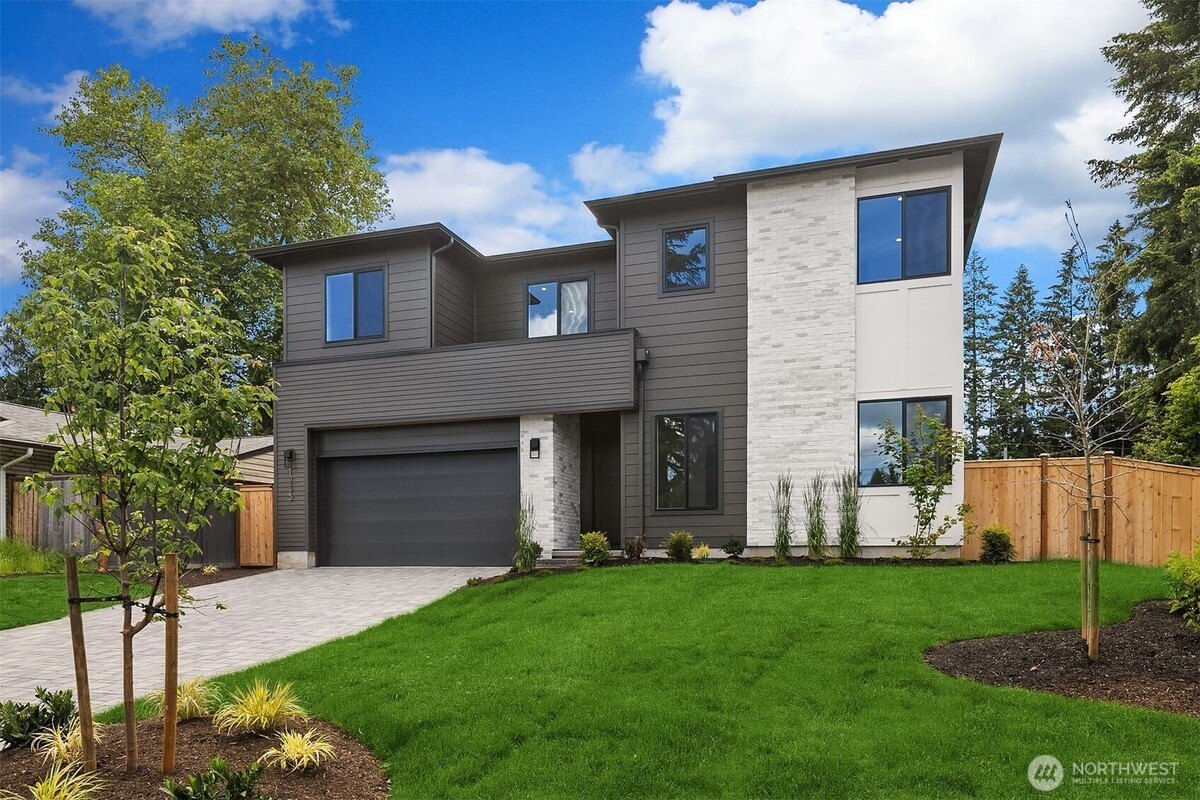
Purchase price is only part of the equation.
One of the advantages of buying new construction is that you’re starting with a new roof, new systems, new appliances and modern building standards rather than inheriting the maintenance history of a 20-, 40- or 70-year-old Seattle home.
That doesn’t mean new homes are maintenance-free. They aren’t.
But the likelihood of immediately needing to replace a roof, furnace, electrical panel or major appliance can be considerably different from buying an older property.
New homes may also offer better energy efficiency, modern insulation and windows, newer heating and cooling technology and layouts designed around how people live today.
For buyers comparing two homes at similar price points, those factors deserve to be part of the calculation.
Why This Opportunity May Not Last Forever
This is the part of today’s market that I think buyers should pay attention to.
There is a lot of hesitation right now.
Mortgage rates remain higher than most buyers would like, and many people are waiting for the “perfect” moment to enter the market.
But that hesitation is also one of the reasons buyers who are shopping have leverage.
If rates eventually move meaningfully lower, more buyers could return to the market. Increased demand could reduce both inventory and builders’ willingness to negotiate.
There is no guarantee that rates will fall, and I would never recommend buying a home based solely on predicting where interest rates are headed.
But if you’re financially ready to buy and expect to own the home for several years, it is worth asking whether today’s combination of inventory + builder motivation + negotiating leverage could be more valuable than waiting for a lower rate in a more competitive market.
New Construction Isn’t Just One Type of Home
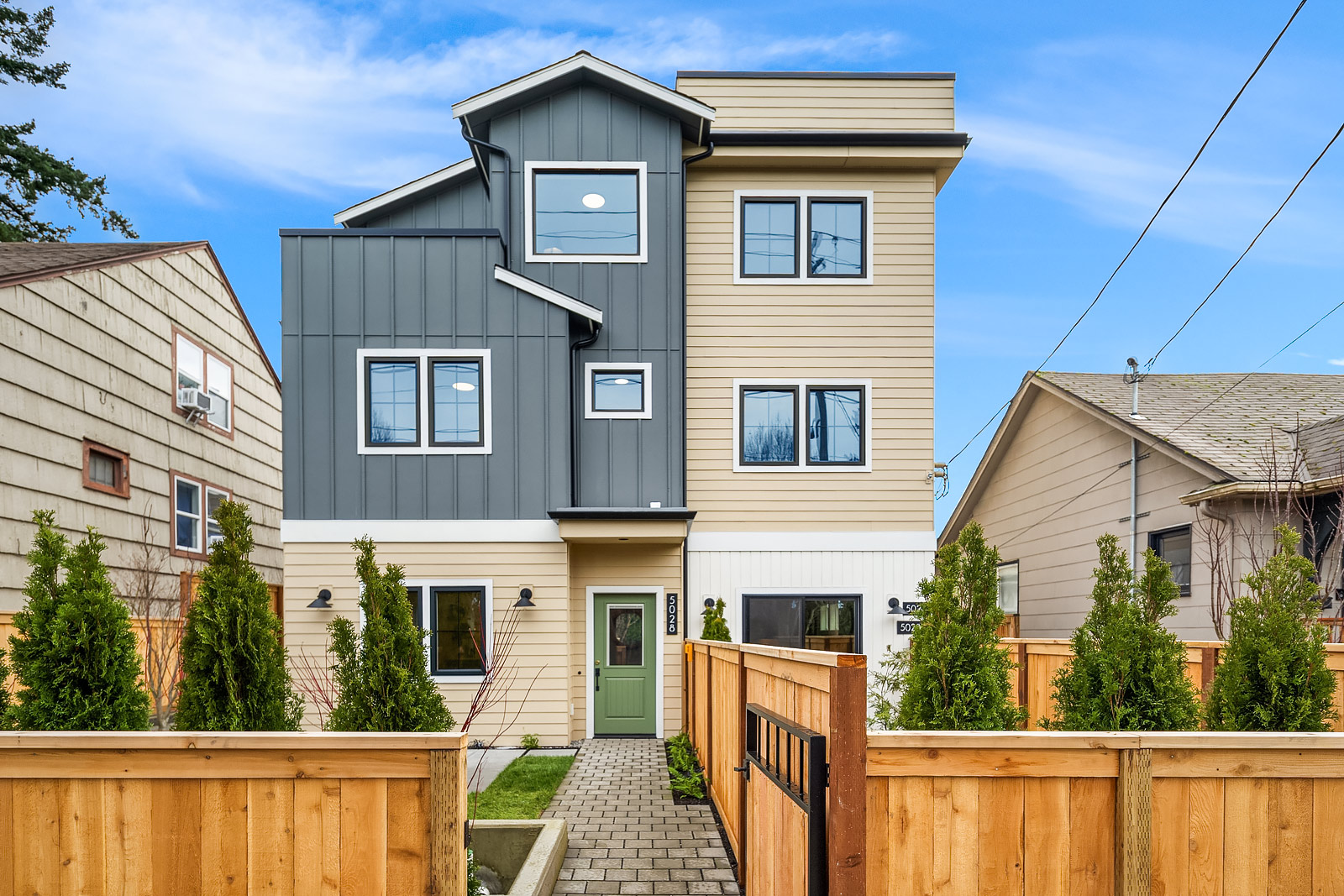
When people hear “new construction,” they often picture a large suburban development.
Seattle’s market is much broader than that.
Depending on your budget and where you want to live, new-construction opportunities can include townhomes in Seattle, infill homes in established neighborhoods, larger single-family homes on the Eastside, planned communities in Kirkland and Redmond, and everything in between.
I work with both builders and individual buyers, which gives me an interesting perspective on this market.
I understand what builders are trying to accomplish, but when I’m representing a buyer, my job is to help that buyer understand the property, evaluate the contract and determine where we may have leverage.
And right now, there are some builders who are very interested in making a deal.
Should You Buy New Construction Right Now?
Not necessarily.
The right answer depends on the home, builder, location, financing and your long-term plans.
But if you’ve been sitting on the sidelines because you assumed new construction was automatically more expensive than buying an existing home, it’s worth taking another look.
The market has changed.
There is more inventory.
Builders are competing harder for buyers.
Incentives are more common.
And in some cases, the difference between the advertised price and the deal we may actually be able to put together can be meaningful.
Want to See What’s Available?
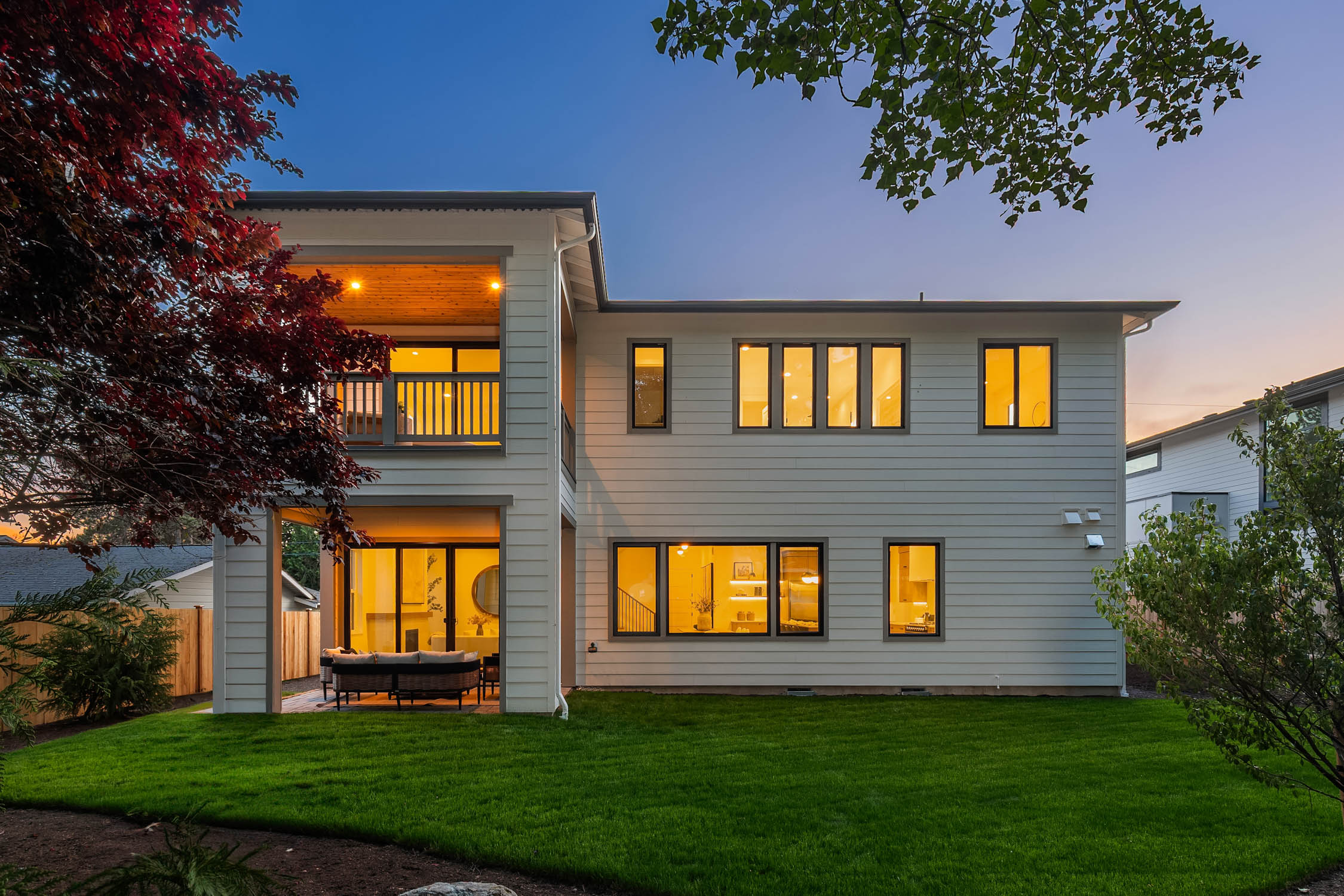
I work extensively with new construction throughout Seattle, Bellevue, Kirkland and the greater Eastside, from townhomes and infill projects to luxury single-family homes.
I also have access to homes from multiple builders, so you don’t need to limit your search to one development or one builder.
If you’re considering buying in the next 6–12 months, I’d be happy to put together a customized list of new-construction options based on your price range, preferred neighborhoods and priorities.
More importantly, I can help identify where builders may currently be the most motivated and where buyers may have the strongest negotiating opportunity.
Sometimes the best deal isn’t the one advertised online.
Thinking about new construction in Seattle or the Eastside? Let’s look at what’s available and see where the opportunities are right now.
